In a nutshell
- 🧪 Evidence indicates fermented foods can boost gut microbiome diversity and reduce low-grade inflammation, with mechanisms spanning live cultures, enzymes, and postbiotics (peptides, organic acids).
- 🥛 Everyday winners—Kefir, Kimchi, and Miso—offer distinct microbes and compounds; pair with fibre and polyphenols for synergy, and use as finishing accents to preserve live cultures.
- ⚖️ Pros vs. Cons: Better flavour, digestion, and potential immune modulation vs. watchouts like sodium, histamine, and pasteurised products; they complement—not replace—a fibre-rich diet.
- 🧭 Practical integration: Add small, regular portions at meals (breakfast kefir, lunch kimchi, miso dressings), mind heat, and rotate varieties to widen microbial exposure—consistency beats intensity.
- ✅ Action steps: Start low, increase gradually, read labels for “live cultures,” try budget-friendly DIY kraut (2% salt), and track digestion and energy for 4 weeks to spot benefits.
Across Britain’s kitchens, a quiet revolution is fizzing away in jars, crocks, and chilled aisles. Scientists are now unpacking why adding fermented foods—from kefir and kimchi to miso and tempeh—may do more than perk up a salad. They appear to nudge the gut microbiome toward greater diversity, dampen low-grade inflammation, and enhance metabolic resilience. While yoghurt has long been the poster child, new research points to a wider cast of living cultures, postbiotics, and organic acids at work. The twist? Benefits seem to accrue with modest, consistent portions rather than dramatic overhauls. Here’s how the latest evidence translates into realistic, flavour-forward changes you can make at home, starting this week.
What Science Reveals About Fermentation and the Microbiome
Fermentation is a controlled transformation where microbes—chiefly lactic acid bacteria and yeasts—convert sugars into acids, gases, and alcohol. The result is food that’s safer, tangier, and often teeming with live cultures. In 2021, a Stanford nutrition study reported that a 10-week diet richer in fermented foods increased microbial diversity and reduced several inflammatory markers compared with a high-fibre plan alone. Scientists suspect multiple mechanisms: introduced microbes can transiently populate the gut; postbiotics (like peptides) signal to immune cells; and fermentation can pre-digest lactose or antinutrients, easing tolerance. Crucially, not all ferments are equal—microbial strains, salt, and processing vary widely, shaping how our bodies respond.
| Food | Key Microbes | Notable Compounds | Potential Benefit |
|---|---|---|---|
| Kefir | Lactobacillus, yeasts | Exopolysaccharides | Lactose digestion, immune modulation |
| Kimchi/Sauerkraut | Lactobacillus plantarum | Organic acids, vitamins | Microbial diversity, gut barrier support |
| Miso | Aspergillus oryzae | Peptides, umami compounds | Cardiometabolic support |
| Tempeh | Rhizopus | Isoflavones | Protein quality, mineral absorption |
Another surprise from lab and clinical work: benefits may arise even when microbes don’t permanently colonise. The by-products of fermentation—short-chain fatty acids precursors and bioactive peptides—can still influence inflammation and gut motility. Meanwhile, UK diet surveys suggest most adults fall short on variety; a few spoonfuls of kraut, a glass of kefir, or a miso dressing could help bridge that gap. The scientific bottom line is modest but compelling: regular, diverse ferments can be a pragmatic lever for better gut outcomes.
The Quiet Power of Kefir, Kimchi, and Miso in Everyday Meals
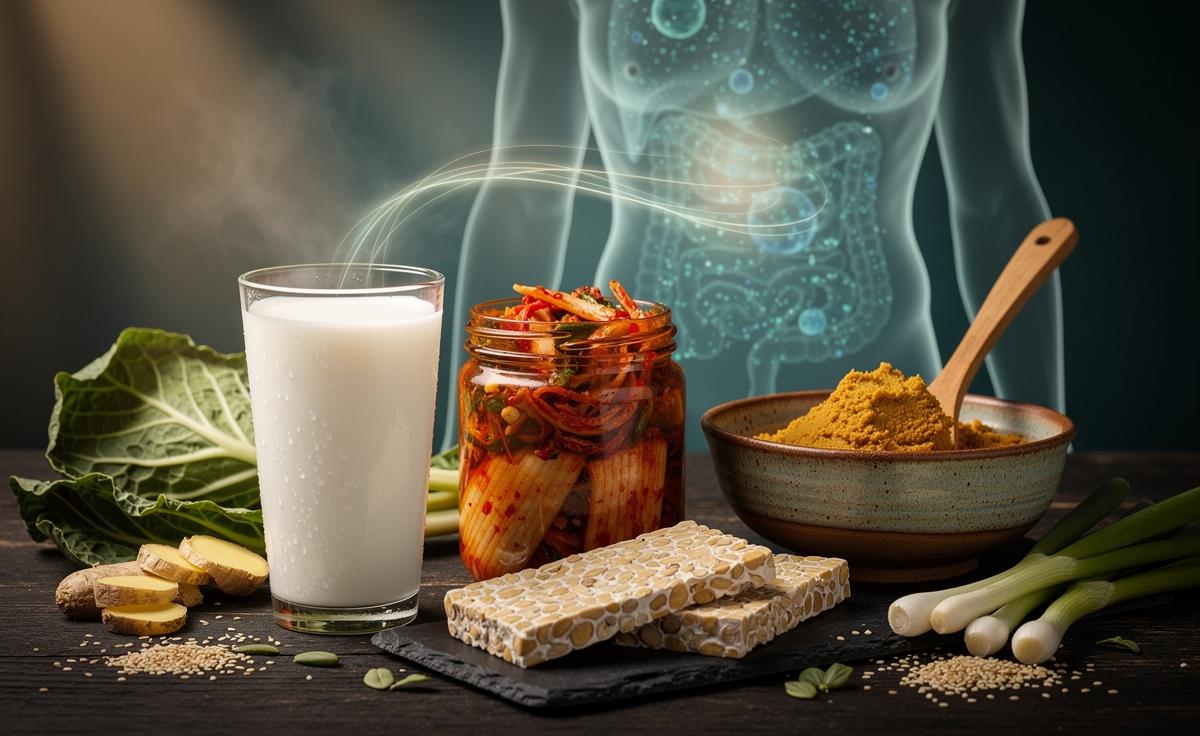
Consider three workhorse ferments with very different personalities. Kefir is a drinkable, tangy cultured milk whose mixed bacteria-and-yeast community produces exopolysaccharides linked to immune effects. Kimchi, a Korean staple, layers cabbage with chilli, garlic, and salt, encouraging lactobacilli to flourish—its punchy acids can brighten grain bowls instantly. Miso, a soybean paste fermented with koji, is less about live bacteria after cooking and more about enzymes and peptides that survive into sauces, dressings, and marinades. Food synergy matters: pairing kimchi with wholegrain rice or miso with greens supplies the fibres that gut microbes love, while kefir alongside berries adds polyphenols that certain microbes convert into helpful metabolites.
- Kefir: Splash over porridge; blend into smoothies; whisk into a dill-and-lemon dressing.
- Kimchi: Fold into omelettes off the heat; top tacos; stir through brown rice with sesame.
- Miso: Swirl into warm (not boiling) broths; rub into salmon; whisk with tahini and lime.
In Manchester, I followed a club runner training for her first marathon. She swapped ultra-processed snacks for a daily 200 ml kefir, added a tablespoon of kimchi to weekday lunches, and used miso in evening sauces. Within four weeks, she reported steadier digestion and fewer “runner’s gut” episodes. One person isn’t a trial, but it matches what clinicians see: small, regular doses often outperform sporadic, heroic servings. Keep portions sensible—think a glass of kefir, a forkful of kimchi, a spoon of miso—and rotate sources to diversify your microbial exposures.
Fermented Foods: Pros, Cons, and Why More Isn’t Always Better
Pros include improved flavour complexity, potential bumps in microbial diversity, and easier digestion for some people, thanks to partial breakdown of lactose and fibres. Ferments often carry vitamins (like K and some B vitamins) and organic acids that may help maintain a healthy gut pH. There’s also a behavioural upside: tangy, satisfying foods can make healthier meals more appealing, nudging long-term adherence. Yet there are caveats. Sodium can be high in pickled vegetables; histamine and biogenic amines can trigger headaches or flushing in sensitive individuals; and not all shop-bought products retain live cultures after heat treatment or pasteurisation.
- Why more isn’t always better: Large portions may irritate sensitive guts; start low and build gradually.
- Sodium watch: Choose lower-salt krauts or rinse lightly before serving if needed.
- Label literacy: Look for “live and active cultures” and refrigerated placement; shelf-stable jars are often pasteurised.
- IBS nuance: Some ferments (like onion-heavy kimchi) can be high-FODMAP; opt for cucumber or carrot ferments instead.
- Safety: Those who are pregnant, immunocompromised, or on MAOIs for depression should discuss ferments (amines/safety) with a clinician.
There’s also the matter of expectations. Fermented foods aren’t magic bullets; they work best alongside a fibre-rich, minimally processed diet. Mechanistically, they may complement prebiotic fibres by supplying microbes and postbiotics, but fibre feeds the ecosystem long term. Cost and access matter too: homemade kraut costs pennies per serving, while premium jars can be pricey. A strategic mix—budget-friendly DIY staples plus a couple of high-quality favourites—often delivers the sweet spot between health, flavour, and affordability.
Smart Ways to Add Ferments Without Fuss
Think of ferments as accents rather than centrepieces. A tablespoon or two can transform texture and metabolism of a meal with no extra cooking. Heat is the frenemy: it can mellow flavours but also reduce live cultures, so finish dishes off the heat when possible. Consider timing: many people find lunchtime best for kraut or kimchi, with kefir in the morning for gentle digestion. And plan for diversity—different ferments mean different microbes and metabolites, spreading the benefit across your week rather than banking on a single hero food.
- Breakfast: Kefir over oats with berries; miso-tahini toast with cucumber.
- Lunch: Grain bowl plus a forkful of kimchi; tinned fish with kraut and mustard.
- Dinner: Miso-glazed aubergine; tempeh stir-fry finished with sesame and lime.
- Snacks: Kefir lassi with cardamom; carrot sticks with kimchi hummus.
- Shopping cue: Prioritise chilled, unpasteurised jars; scan for short ingredient lists.
- DIY micro-habit: One cabbage, 2% salt, a jar—kraut in 7 days; rotate add-ins (caraway, beet, ginger).
For extra mileage, pair ferments with prebiotics—onions, leeks, bananas, legumes—to feed resident microbes, and with colourful plants for polyphenols. If you track data, note symptoms, energy, and digestion over four weeks; many readers report patterns emerging by week two. And remember: consistency beats intensity. A glass of kefir most mornings and a daily spoon of kraut will likely outperform a once-a-fortnight kimchi binge. You’re building habits, not staging a stunt.
Fermented foods bring science, craft, and culture to the same table—an everyday way to enlist microbes in service of your gut. The evidence base is still growing, but early signals are strong: small, regular portions can shift markers of inflammation and improve digestive comfort for many. Blend them with a plant-forward plate, mind the salt, and stay curious; your microbiome thrives on variety as much as you do. If you were to add just one new ferment this week, which would you choose—and how would you build a meal around it to make the habit stick?
Did you like it?4.6/5 (29)