In a nutshell
- 🛍️ Quiz is seeking a rescue package after a weak Christmas, having already shut 23 stores and warning that further closures may follow.
- 💷 Rising costs—business rates, higher national minimum wage and national insurance—plus disruption around Black Friday and the end of the 40% rates relief are squeezing margins.
- 🧭 The Ramzan family has approached turnaround funds and advisers, exploring new financing and restructuring to stabilise liquidity and protect jobs.
- 🏬 The crisis reflects wider high-street strain, with LK Bennett in administration and Russell & Bromley planning major store cuts as other chains downsize.
- 🗣️ Political split: Sir Mel Stride blames government tax policies for job losses, while Chancellor Rachel Reeves insists businesses remain “optimistic.”
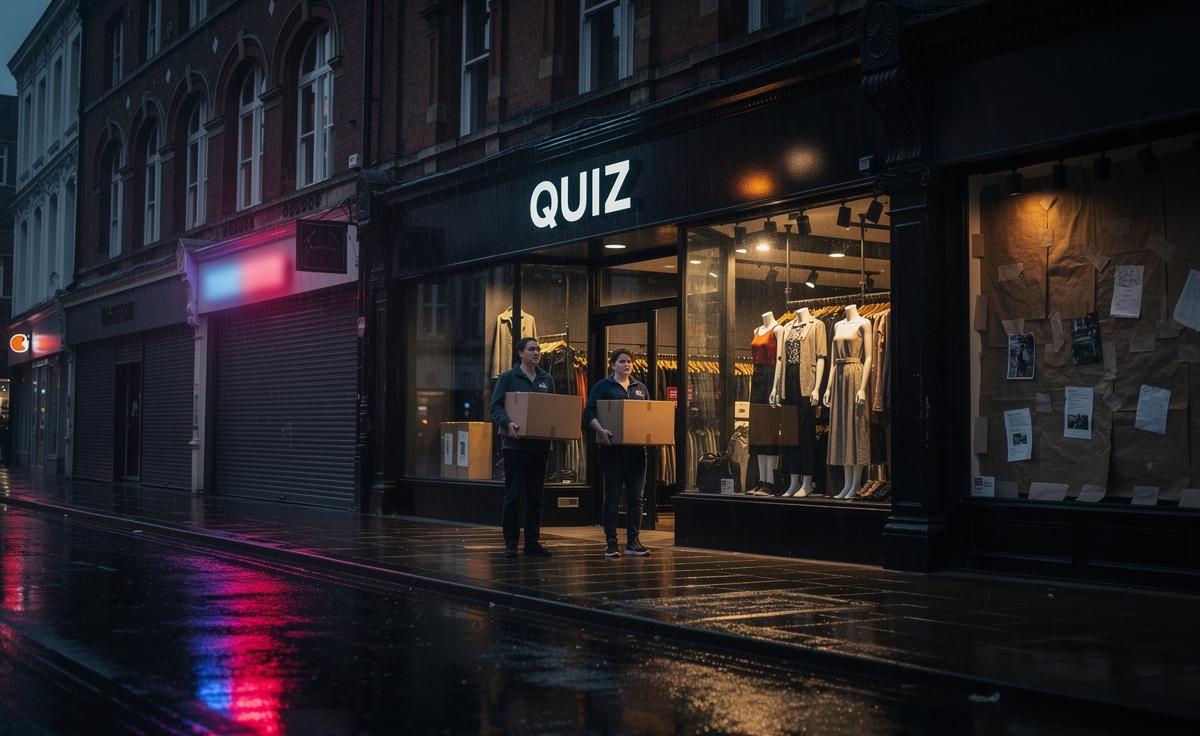
Quiz, the Glasgow-born fast-fashion brand, is racing to secure a rescue package after a bruising festive period left trading well below expectations. With more than 40 UK stores and around 1,000 staff, the retailer shuttered 23 shops last year to cut costs and keep cash flowing, yet pressures keep mounting. Sources say advisers and turnaround funds have been approached as the company considers new financing and potential additional closures. Executives describe the past 12 months as “volatile,” with a weak Christmas proving especially painful for margins and momentum. As Britain’s high street reshapes in real time, Quiz’s fight has become a test case for the sustainability of mid-market fashion—and for the policy environment in which it operates.
Inside Quiz’s Battle to Stay Afloat
Founded in Scotland in 1993 by Tarak Ramzan, Quiz grew on a formula of sharp trend cycles, competitive pricing, and rapid stock turns. That model faces new headwinds. The company confirmed it is exploring “options available to the business from both internal and external sources,” including a revamped financing structure and the possibility of further branch closures. Talks with multiple turnaround funds are understood to be underway, underscoring the urgency—and the stakes—for a brand that once thrived on speed and agility.
Management says trading swung from better-than-expected summer sales to a disappointing Christmas period. The crucial seasonal quarter is when fashion chains bank a disproportionate share of profits; missing that window can ripple into the spring. Competitive intensity has intensified, both online and in-store, and price-sensitive shoppers are delaying purchases or switching to rivals. While Quiz still draws loyal occasionwear customers, keeping those baskets from shrinking in a cost-of-living squeeze has become the defining challenge.
| Key Facts | Details |
|---|---|
| Founded | 1993, Glasgow |
| Founder | Tarak Ramzan |
| UK Stores | Over 40 |
| Staff | Approx. 1,000 |
| Closures | 23 stores shut in the last year |
| Next Steps | Seeking funding; potential restructuring and further closures |
Costs, Taxes, and Changing Habits
Quiz’s leadership points to changing consumer habits, a choppy macro backdrop, and policy friction. It cites disruption around the peak Black Friday period and rising cost burdens—from business rates to increases in the national minimum wage and national insurance. Another jolt looms as a Covid-era 40% business rates discount for hospitality, leisure, and retail ends in April, alongside new property revaluations that could lift bills in many locations.
Politics is in the mix. The chain and its critics have highlighted pressure from Labour’s tax stance, a claim echoed by opponents of the Government. Conservative figure Sir Mel Stride, now Shadow Chancellor, accuses ministers of “costing Britain jobs” with a tax-and-spend agenda. Yet the Treasury’s message is markedly different. Chancellor Rachel Reeves says firms are “feeling optimistic,” arguing that a stable plan for growth is taking root. The result is a familiar retail tug-of-war: retailers call for relief and predictability, while ministers insist confidence is returning.
What Store Closures Mean for the High Street
Quiz’s predicament is part of a wider reshaping. Footfall patterns are evolving as remote work persists and shoppers blend online browsing with selective in-store visits. When fashion chains shutter units, the damage doesn’t end at empty windows—it drains town-centre vibrancy and reduces spillover trade for cafés, salons, and services that rely on steady footfall. The past few months have brought fresh stress signals: LK Bennett has entered administration, while Russell and Bromley faces sweeping store reductions under a deal with Next. Big names including WH Smith and Claire’s Accessories have trimmed estates to protect profitability.
Retailers are scrambling to reset economics: shorter leases, turnover-linked rents, tighter inventories, and fewer, better-performing stores. For workers, the turbulence is personal—shifts vanish and redeployment opportunities narrow. For landlords, mismatched rents collide with value write-downs. Yet there is opportunity amid the churn. Lean, omnichannel operations that align store networks with online demand can still thrive, provided costs don’t outrun the recovery in discretionary spend.
What Happens Next for Quiz and Shoppers
In the near term, all eyes are on liquidity. A successful rescue package could stabilise operations, fund inventory, and buy time to retool the store estate. Failure to secure backing would likely accelerate closures and push the company toward more radical restructuring. Advisers are expected to test investor appetite quickly, given the cash intensity of seasonal buying and the need to lock in spring-summer ranges.
Customers should expect continuity while negotiations unfold, though store-level changes may arrive with little notice. Returns, deliveries, and gift cards typically remain valid unless formal insolvency procedures begin; if that landscape shifts, policies are commonly updated fast. Brands in similar situations have pivoted to a tighter core: fewer locations, focused categories, a clearer proposition. If Quiz can couple cost discipline with sharper product and pricing, it may yet hold its high-street ground—albeit with a smaller footprint.
Quiz’s struggle captures a retail era defined by thin margins, policy flux, and a consumer who wants value without compromise. Some chains will compress and survive; others will fade. Investors are cautious but not absent, hunting viable turnarounds where brands still resonate. The next quarter will be decisive, setting the tone for the rest of 2026 across fashion’s mid-market battleground. As the high street searches for a new equilibrium, what mix of policy, investment, and reinvention do you think will keep British fashion shops open and relevant?
Did you like it?4.5/5 (21)