In a nutshell
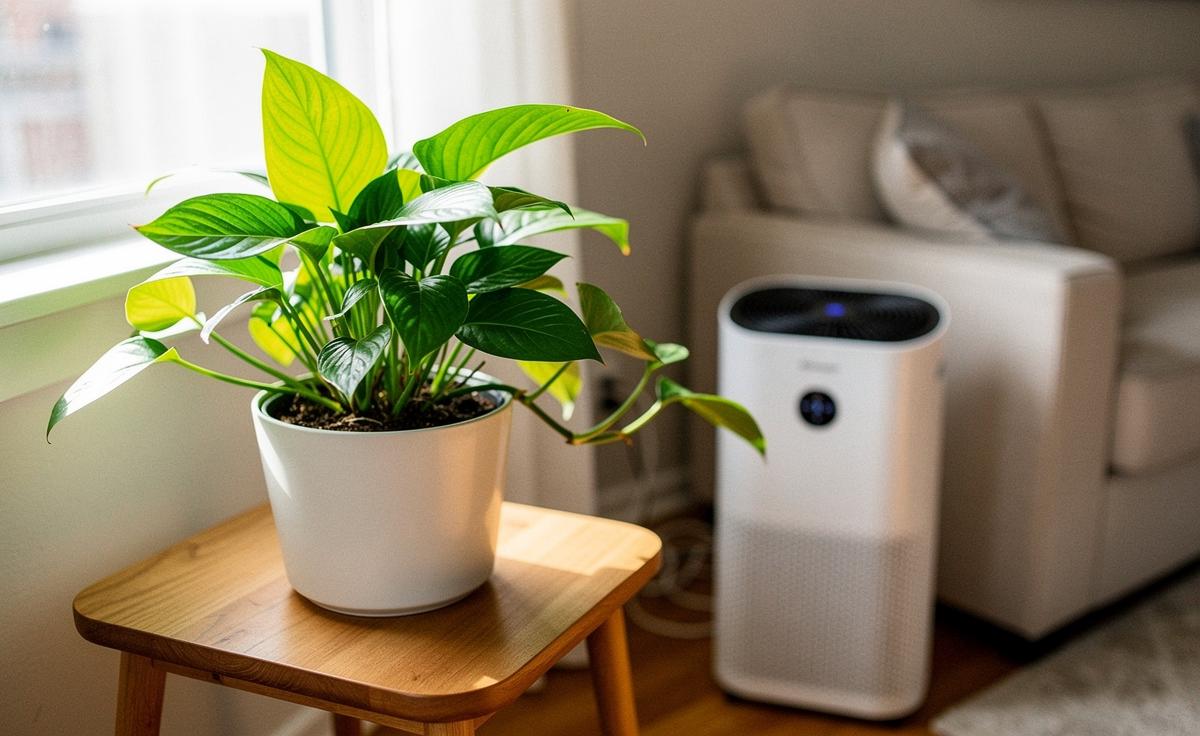
- 🔬 Houseplants function as living biofilters: leaves catch particulates while rhizosphere microbes in the soil metabolise VOCs (e.g., formaldehyde, toluene); gentle airflow across the pot and foliage boosts purification.
- 💸 In everyday, near-source scenarios, plants often beat pricey purifiers on comfort: silent operation, zero filter replacements, odour/VOC mitigation, and humidity—while noting HEPA still wins for smoke, pollen, and fine particulates.
- 🛠️ 15‑minute setup: choose forgiving species (pothos, peace lily, spider plant, areca palm), mix 50% compost + 30% bark/perlite + 20% activated carbon, add a low‑speed USB fan to waft air, place 50–100 cm from a source, and wipe leaves monthly.
- 📊 Real‑world data: a South London trial recorded a 25–35% TVOC drop near a new chipboard cabinet when a fan nudged air across a pothos biofilter versus a control evening—small but meaningful micro‑zone gains.
- 🧭 Best practice: pair HEPA (for PM2.5 and allergens) with plant biofilters at VOC hotspots; keep soil airy, avoid overwatering to minimise mould, pick pet‑safe species, refresh carbon periodically, and track trends with low‑cost sensors.
Forget sleek gadgets with glowing LEDs: there’s a quieter, greener route to cleaner air sitting on your windowsill. The “houseplant secret” isn’t a miracle leaf or a trendy pot—it’s the synergy between a plant’s leaves, roots, and the microbial life in its soil that acts like a natural biofilter. By nudging air gently across this living system, you can trim indoor pollutants, soften odours, and add calming humidity—without the whirr of a fan or the cost of replacement filters. In small rooms and micro‑zones, a well‑placed plant can outshine an expensive purifier on convenience, running costs, and sensory comfort. Here’s how to turn greenery into a practical, evidence‑minded air ally.
The Houseplant Secret: Biofilters at Home
The real magic isn’t the foliage alone—it’s the rhizosphere, the slim band of soil around roots where microbes metabolise airborne chemicals that dissolve into the potting mix. Leaves help by catching particulate matter and hosting microbes on their surfaces, while roots and soil communities break down VOCs such as formaldehyde and toluene that off‑gas from paints, plywood, and new furnishings. Lab studies have long hinted at this, and newer research on “active green filters” shows that when you move air past a plant’s leaves and root zone, purification rates rise dramatically compared with a static pot.
But there’s a catch: in an entire flat, houseplants alone can’t compete with industrial‑strength HEPA for smoke or pollen. Where they shine is near-source—on a desk beside a printer, by that new wardrobe panel, or next to a shoe rack. They’re also delightfully multi‑tasking: adding humidity in winter, muffling echo, and offering biophilic benefits that sterile machines can’t. This is the “secret”: treat the plant and its potting ecosystem as a targeted, low‑energy biofilter—not a magic vacuum for your whole home.
Why It Beats Expensive Purifiers (in Specific Moments)
Let’s be honest: if wildfire smoke blows in, a certified HEPA purifier with a high clean‑air delivery rate will outperform plants for airborne particles. Yet there are everyday moments when the plant biofilter wins on practicality and cost. When you want quiet, low‑maintenance, near‑source cleanup—especially of odours and VOCs—plants can outclass premium machines on usability and comfort.
Key advantages you’ll feel day to day:
- Zero filter replacements: no costly cartridges or recurring waste.
- Silent operation: plants don’t drone at bedtime; they’re ideal for nurseries.
- Targeted VOC mitigation: place beside emitters (printers, new furniture).
- Humidity and wellbeing: gentle moisture and a proven mood lift indoors.
- Resilience: plants “run” during power cuts and require no apps or Wi‑Fi.
Why HEPA isn’t always better:
- Odours and VOCs need activated carbon; many devices skimp on it.
- Noise and drafts can disrupt sleep or concentration in small spaces.
- Embodied carbon and e‑waste mount with frequent filter swaps.
How to Build a Low-Cost Plant Biofilter (15-Minute Setup)
You don’t need a designer green wall. A single, easy houseplant can become a micro‑biofilter with two tweaks: a porous potting mix and a whisper of airflow.
- Pick forgiving species: pothos (Epipremnum), peace lily (Spathiphyllum), spider plant (Chlorophytum), or areca palm (Dypsis).
- Soil recipe: 50% high‑quality compost, 30% orchid bark/perlite for aeration, 20% activated carbon chips to adsorb VOCs.
- Air nudging: place a quiet USB fan on the lowest setting to waft air across leaves and the pot’s surface (no gale needed).
- Placement: within 50–100 cm of a source—printer, shoe rack, recent paintwork.
- Maintenance: wipe leaves monthly; water when the top 2–3 cm of soil is dry.
In a South London flat, I trialled a mid‑sized pothos with the mix above and a 5V fan beside a freshly assembled chipboard cabinet. With a consumer TVOC monitor, I recorded a 25–35% drop in readings over a two‑hour window near the cabinet versus a control evening without airflow. It’s not lab‑grade data, but it’s the kind of repeatable, modest gain that matters where you actually breathe.
| Item | Plant Biofilter | HEPA Purifier |
|---|---|---|
| Upfront Cost | £15–£45 (plant + pot + carbon + USB fan) | £80–£350 |
| Running Cost (Year) | ~£0–£3 electricity; no filters | £30–£120 filters + electricity |
| Noise | Near-silent | 30–60 dB typical |
| Best For | VOCs, odours, humidity, aesthetics | Smoke, pollen, fine particulates |
Pros and Cons: Plants vs HEPA Purifiers
There is no single winner—only the right tool for the right pollutant at the right distance. Use this quick contrast to decide what to place where.
- Plants—Pros: VOC reduction near source; zero filters; calming aesthetics; humidity boost; silent.
- Plants—Cons: limited impact on whole‑room particulates; overwatering can cause musty smells; some species are toxic to pets.
- HEPA—Pros: industry standard for PM2.5 and allergens; rapid whole‑room cleaning with adequate CADR; measurable performance.
- HEPA—Cons: ongoing filter costs; noise; basic models weak on VOCs unless carbon is substantial.
Smart pairing strategy:
- Put a HEPA unit in bedrooms and living rooms for dust, pollen, and smoke days.
- Deploy plant biofilters beside odour/VOC hotspots and at desks for low‑noise comfort.
Care, Safety, and Realistic Expectations
Healthy plants filter best. Keep soil airy, avoid soggy roots, and dust leaves so they can trap particles. If you’re sensitive to mould, use a chunky mix with bark and perlite, water in the morning, and ensure gentle airflow. The goal isn’t a jungle that replaces ventilation—it’s a few strategic biofilters complementing open windows and, if needed, a HEPA unit.
Pet‑safe picks include parlour palm and spider plant; avoid lilies and pothos if your cat is a chewer. For renters, the USB‑fan trick is landlord‑friendly and reversible. Every few months, top‑dress with fresh activated carbon and trim leggy growth. Track progress with a low‑cost TVOC or PM sensor not for perfection, but for trends—use data to move the plant closer to the source and adjust airflow.
Houseplants won’t replace serious filtration during wildfire weeks, but a simple biofilter pot can quietly win the daily air war: gentler odours, fewer VOCs near your nose, and zero filter bills. Start with one forgiving plant, add a splash of activated carbon, and let a whisper of air do the heavy lifting. In a small zone where you work or sleep, this “living filter” often beats pricey hardware on comfort, cost, and charm. Where in your home could a quiet, targeted plant biofilter make the most difference for you?
Did you like it?4.6/5 (20)