In a nutshell
- 🔧 Use a one-tap Focus that combines Do Not Disturb, grayscale, hidden badges, and an app whitelist for a 20–30 minute sprint to cut instant distractions.
- 🧠 It works by reducing novelty, controlling interruptions, adding productive friction, and leveraging time-boxing—shifting behavior without relying on willpower.
- 📱 Easy setup: on iPhone, create a custom Focus and link Color Filters via Shortcuts; on Android, use Digital Wellbeing’s Focus Mode, DND, and grayscale (Bedtime/Monochromacy) with a Quick Settings tile.
- ⚖️ Pros vs. Cons: Fast, reversible, and tailored—with VIP exceptions—yet requires tuning to avoid missing essentials; “always-on” Focus isn’t better than deliberate sprints.
- 📈 Make it stick with tiny habits (tap on start), clear rules (allowed apps by task), emergency exceptions, and simple metrics: blocks run, breaks taken, and faster first-draft times.
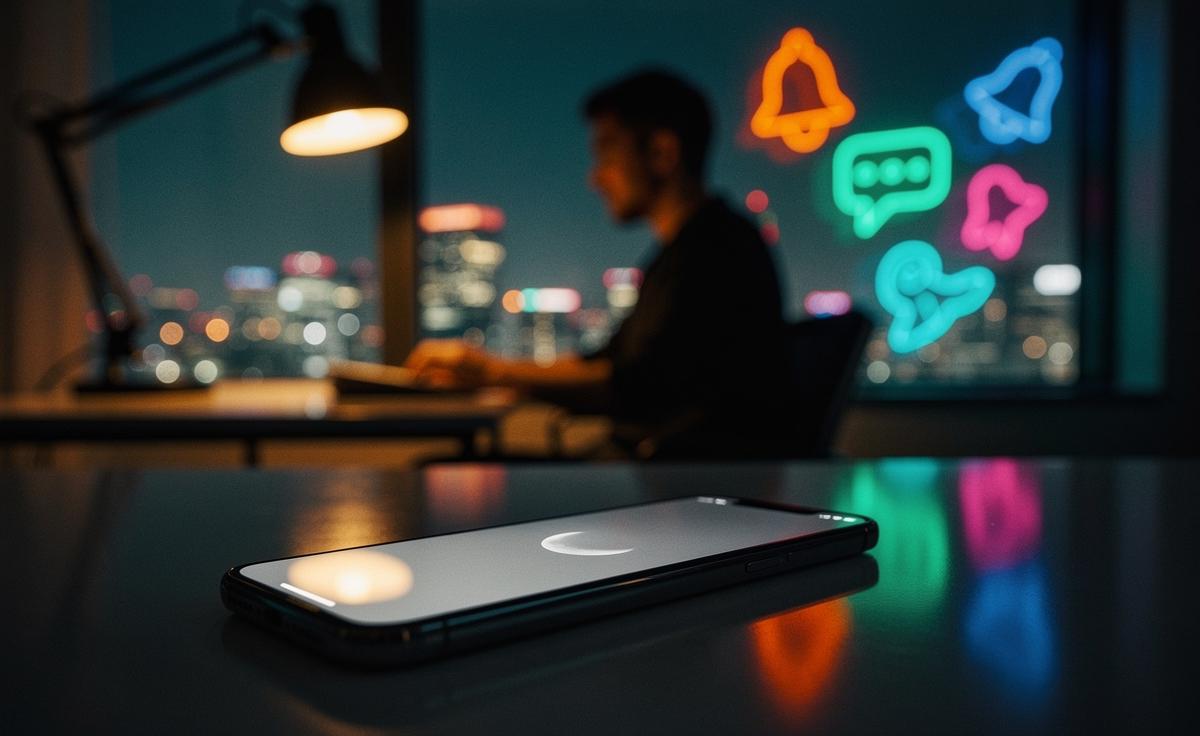
We don’t need another self-help sermon; we need a fast, frictionless fix. Here it is: create a one-tap mode on your phone that drains the colour from your screen, silences almost everything, and lets only essential people and tasks through for a short, focused burst. In practice, this is a blend of Do Not Disturb, Focus/Focus Mode, and grayscale. Tap once, and your handset turns from a slot machine into a quiet notebook. Your attention stops being auctioned by notifications and starts being applied to what matters now. As a UK journalist jumping between deadlines, this single trick has repeatedly shaved minutes off dithering and added hours of deep work back into my week.
The One-Minute Focus Trick That Actually Works
The trick is simple: preconfigure a one-tap Focus that flips your screen to grayscale, enables Do Not Disturb with exceptions for people who genuinely need you, hides red badge counts, and allows only a tiny whitelist of apps for a fixed window—say, 25 minutes. In under a minute, your phone becomes deliberately boring. That matters because colour, badges, and buzzes are designed to hijack the brain’s novelty circuits. Strip out the dopamine cues and the compulsion ebbs. Instead of scrolling into the void, you’re gently funneled toward the single task you picked beforehand—writing, studying, or planning.
In my London newsroom, I set this up after a source texted mid-draft and I lost a precious half hour tumbling through chats, links, and “just checking.” Now, the Focus tile sits on my home screen. Before I start a piece, I tap it, and the rules kick in: muted non-essentials, no candy-colour icons, only Notes, Mail, and my recorder available. The change is immediate: fewer micro-temptations equals fewer micro-delays, which compounds into meaningfully better days. It’s not puritanical; it’s practical minimalism for the next focused block.
Why It Works: Attention Science Simplified
This is not magic; it’s mechanics. Attention bleeds through three leaky valves: novelty, interruption, and friction (or the lack thereof). The one-tap Focus plugs all three. Greyscaling blunts the brain’s novelty response by flattening the reward of colourful icons. Silencing and bundling alerts defuses interruptions. Whitelisting apps adds productive friction: it’s still possible to open a distracting app, but not effortless. When impulse meets resistance, intention gets a head start. Over time, this rewires habits—your “work phone” becomes a context you enter at will, rather than a vortex you fall into by accident.
- Novelty dampening: Greyscale lowers the visual allure of social feeds and thumbnails.
- Interruption control: Batch or silence non-urgent notifications; allow urgent calls/messages only.
- Friction design: Shortlist apps that serve the task at hand; hide or block the rest temporarily.
- Time-boxing: A 20–30 minute window matches the brain’s natural focus rhythms without strain.
I’ve tested this across commutes, briefings, and late-night edits. The difference is visceral: I no longer “check” my phone and vanish. Choice architecture beats willpower because it changes the path of least resistance. That, not superhuman discipline, is what keeps the work flowing.
Set It Up on iPhone and Android
You can spin this up in minutes on modern devices. On iPhone, use Focus (Settings > Focus) to create a custom profile. Allow calls from close family or your editor, silence the rest, and pick “Allowed Apps” for work. Add Home Screen options to hide notification badges and choose a minimalist page. For greyscale, enable Color Filters (Settings > Accessibility > Display & Text Size) and link it to the Focus via an Automation in Shortcuts, so it toggles automatically. Add a Focus widget to Control Centre for one-tap access, and set a Timer in Clock to 25 minutes so the mode disengages when time’s up.
On Android, open Digital Wellbeing and turn on Focus Mode, selecting distracting apps to pause. Pair this with Do Not Disturb (Settings > Notifications) and allow only priority contacts. For greyscale, enable Bedtime Mode (Digital Wellbeing) or Monochromacy in Developer Options; many phones let you add a Quick Settings tile for instant toggling. Create a Routine or Automation (e.g., Bixby Routines, Google Routines) to activate Focus, DND, and greyscale together, then add the tile to your Quick Settings shade.
| Platform | Feature Name | Path / Tip |
|---|---|---|
| iPhone | Focus, Color Filters | Settings > Focus; Accessibility > Display & Text Size; link via Shortcuts Automation |
| Android | Focus Mode, Do Not Disturb, Bedtime Mode | Digital Wellbeing; Settings > Notifications; add Quick Settings tiles for one-tap use |
Pros vs. Cons and Why “Always-On” Isn’t Always Better
Pros: It’s fast, reversible, and tailored. You keep critical lines open while snipping the rest. Visual dulling curbs scrolling without deleting apps, and time-boxing lowers the psychological barrier to starting. Above all, it respects reality: the world may need you, but not every minute of you. For freelancers and newsroom teams alike, it’s a dignified compromise between availability and sanity.
Cons: Overzealous settings can hide something you genuinely needed to see. Some apps don’t respect Focus rules perfectly, and grayscale may interfere with colour-critical work. Hence, build exceptions—VIP contacts, banking alerts, two-factor codes—and keep a clearly labelled “Break Glass” page with essentials. Always-on Focus isn’t always better: the point is intentional sprints, not permanent disconnection. Use a “Work” profile for deep tasks, a lighter “Comms” profile for meetings, and switch off when you’re done. Measure impact for a week: if missed messages rise, refine exceptions; if your calendar breathes easier, you’ve found the right balance.
Make It Stick: Tiny Habits, Rules, and Real-World Use
Ritualise it. Pair the mode with a cue: when you sit at your desk, open your laptop, or put on headphones, tap the tile. I keep a micro-rule: if a task will take longer than five minutes, Focus goes on. Another rule: if I’m researching, Safari and my notes app are allowed; if I’m writing, only notes and my editor are allowed. At the end of each block, the timer dings; I review progress, then re-open the lane for messages in a five-minute catch-up burst. This cadence keeps me responsive without being perpetually reachable.
In a week of trials on a busy reporting cycle—council meetings, court lists, and phone interviews—this setup cut my mid-draft app-switching dramatically. The colourless screen is a quiet nudge: “finish first, browse later.” If you’re worried about emergencies, set “Allow Repeated Calls” and designate key contacts. Track three simple metrics: how many Focus blocks you run daily, how often you break them, and whether first-draft times shrink. Small gains compound, and this is one of the smallest, quickest gains you can make today.
This is not digital asceticism; it’s a humane fence around your best hours. By turning Focus, DND, and greyscale into a one-tap ritual, you gain a simple switch between the life where you react and the one where you create. The news cycle won’t slow for either of us, but our phones can. The goal isn’t fewer pings—it’s more finished work and calmer evenings. Will you try a one-week experiment with a one-tap Focus, and if you do, which three apps will you keep inside the gate—and why?
Did you like it?4.5/5 (26)