In a nutshell
- 🔆 Daylight’s broader spectrum and grazing light reveal fingerprints, oils, and dust that evening bulbs hide, while photopic vision boosts contrast so you clean more accurately.
- 🧽 Follow a safe step-by-step method: dry-dust first, never spray directly, use 70% isopropyl with proper contact time, detail edges with cotton buds, then buff dry—mind electrical safety.
- ⚖️ Pros vs. Cons: Brighter light speeds cleaning and improves finish, but can cause glare and distraction; favour side-light over harsh direct sun to see residue without chasing streaks.
- 🧴 Match materials & finishes: mild soap for plastic, pH-neutral on lacquered brass, grain-wise buffs on stainless; avoid bleach, acetone, and abrasives—use minimal moisture to protect seams.
- 🕒 Build habits: quick wipe weekly, disinfect fortnightly; a daylight routine cut re-wipes by ~one-third in field notes, with a high-CRI lamp as a solid stand-in when mornings aren’t possible.
Light switches are the quiet witnesses of daily life: tapped with toast crumbs on fingers, nudged after gardening, brushed by children racing to bed. Cleaned at dusk, they can look fine—until the next morning when a shaft of brighter light exposes a filigree of fingerprints and a matte film of dust you were sure you’d wiped away. That shift is more than mood; it’s physics and biology meeting housekeeping. Clean in daylight and you spot grime earlier, remove it faster, and keep high-touch hardware genuinely hygienic. Here’s the case for making daylight your cleaning ally, along with methods, materials guidance, and a quick-reference table to turn a tedious task into a two-minute win.
Why Daylight Exposes What Nighttime Hides
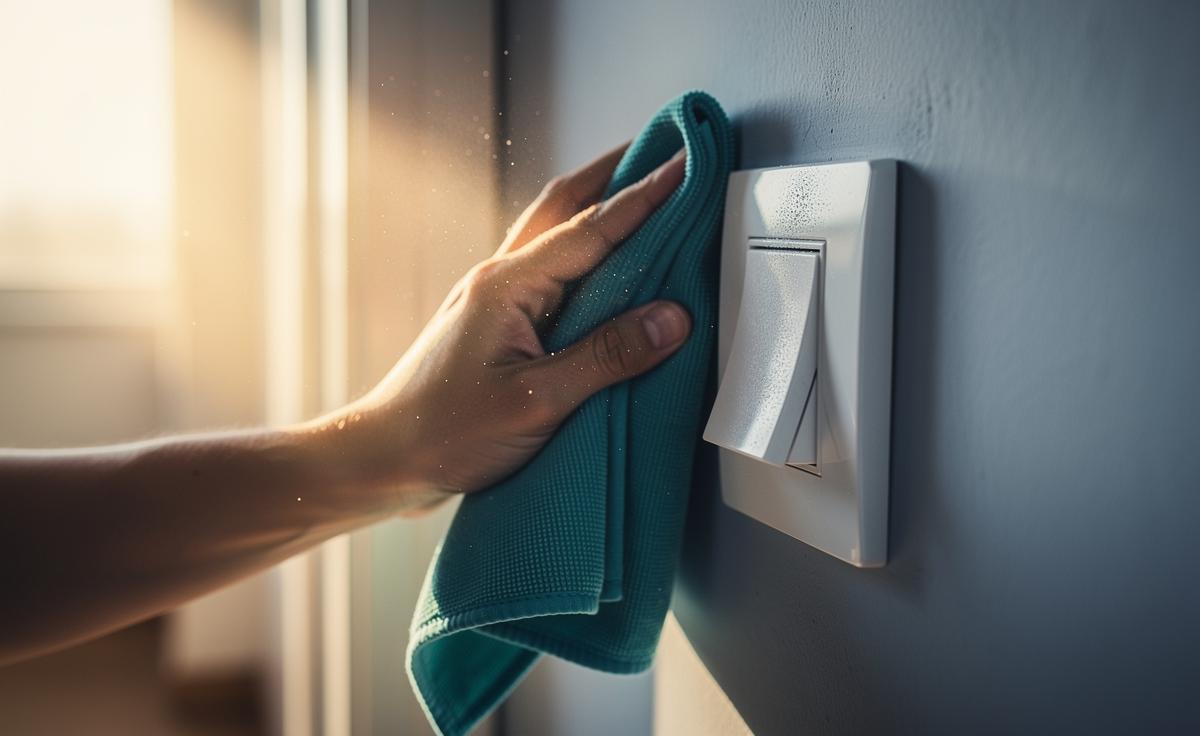
Daylight changes the rules of visibility. Compared with warm indoor bulbs, natural light has a broader spectrum and higher colour rendering, so tiny variations in sheen—skin oils, dried detergent, aerosol overspray—pop out. When the sun hits a wall at a shallow angle, grazing light throws minuscule ridges of residue into sharp relief. That’s why the glossy plastic around a switch looks smudged at 11 a.m. but pristine at 9 p.m. under a lamp. What you can see easily, you can clean effectively—and quickly.
There’s human biology in play too. In brighter conditions, our eyes operate in photopic vision, improving contrast sensitivity. We detect edges and halos around films more readily, and we judge “done” more accurately. This matters for hygiene: switches are among the most-touched surfaces in a home, and missed patches can become reservoirs for ordinary microbes and allergens.
- Spectrum advantage: Daylight reveals streaks, oils, and dust bloom that warm LEDs can mask.
- Angle of incidence: Side-light from windows highlights micro-relief on plastic and metal.
- Contrast acuity: Brighter scenes reduce “good-enough” bias that ends cleans too soon.
- Time saving: Fewer passes when you can actually see the residue you’re chasing.
A Step-by-Step Method for Spotless Switches
Daylight is your spotlight; a deliberate method is your script. Gather kit first, then move briskly. Never spray liquid directly onto a switch or into a plate gap; dampen the cloth instead. That single habit prevents wicking and corrosion around terminals.
- Tools: Microfibre cloth, cotton buds, a soft toothbrush, and a second dry cloth.
- Solutions: Warm, mildly soapy water for everyday soil; 70% isopropyl alcohol or a manufacturer-approved disinfectant for sanitising; a tiny drop of washing-up liquid to cut grease.
- Open curtains fully. If possible, position yourself so light skims the wall from the side.
- Dry-dust first with a clean microfibre, top to bottom, including the plate edges and screw heads.
- Lightly dampen a cloth. Wipe the rocker or dimmer knob, then the plate, working in overlapping passes.
- For creases and borders, roll a damp cotton bud; rotate as it lifts grime to avoid re-depositing.
- If disinfecting, apply solution to the cloth and keep the surface visibly wet for the stated contact time (often 30–60 seconds). Then buff dry.
- Inspect from two angles of daylight; a quick sidestep often reveals a missed halo.
If you intend to remove a faceplate for deeper cleaning, isolate the circuit at the consumer unit and confirm dead with a tester; otherwise, keep cleaning strictly surface-level. Finish by drying thoroughly: moisture left in seams is the enemy of crisp finishes and reliable switches.
Pros vs. Cons of Cleaning Under Brighter Light
Brighter conditions make the job faster, but they also demand a steadier hand. Below is a candid look at the trade-offs, followed by a table you can scan at a glance. Daylight increases precision but can highlight wall scuffs you didn’t plan to tackle. That’s manageable—channel the focus onto the plate, then schedule paint touch-ups later.
- Pros: Better visibility, fewer repeat wipes, accurate disinfectant coverage, improved finish on glossy plates.
- Cons: Reveals adjacent flaws (wall hairline marks), glare on chrome if the sun is direct, temptation to over-wet stubborn corners.
- Mitigation: Work with side-light, not direct beam; use matte microfibre; keep liquids minimal.
| Condition | Visibility | Risk | Practical Tip |
|---|---|---|---|
| Mid-morning side-light | Excellent for films and prints | Low | Wipe in horizontal passes; inspect diagonally |
| Direct midday sun | High but glare-prone | Over-wetting to chase streaks | Shade slightly; swap to alcohol for fast flash-off |
| Evening warm light | Moderate; hides faint halos | Incomplete clean | Use a handheld torch at a shallow angle as a substitute |
Why brighter isn’t always better: harsh, head-on light can wash out contrast and create mirror glare on metal plates. Aim for luminous but indirect light to reveal texture without dazzle.
Materials, Finishes, and What Not to Do
Not all switch plates are equal. Plastic, lacquered metal, bare brass, stainless steel, and glass each respond differently to chemicals and friction. Plastic (uPVC, polycarbonate) tolerates mild soaps and 70% isopropyl; avoid acetone and scouring powders that haze the surface. Lacquered brass prefers pH-neutral cleaners; ammonia can cloud the clear coat. Stainless steel benefits from a microfibre and a tiny dab of washing-up liquid; finish with a dry buff in the grain’s direction to avoid streaks.
Decorative matte finishes show rub marks if you press too hard. Try a soft toothbrush for textured edges, then pat dry. Never flood dimmer shafts or toggle gaps—capillary action will carry liquid inward. For antique or Bakelite-style plates, less is more: a barely damp cloth followed by a dry buff preserves character without risking brittleness.
- Don’t: Spray directly, use bleach on lacquer, or deploy abrasive pads.
- Do: Use minimal moisture, honour disinfectant contact times, and test a hidden corner first.
- If in doubt: Check the manufacturer’s care note; many modern finishes have specific caveats.
Scheduling, Habits, and A Reporter’s Field Note
Consistency beats heroics. Align cleaning with natural light windows in your home—late morning on north-facing halls, early afternoon in sunlit kitchens. A workable cadence: quick wipe weekly, disinfect every fortnight during cold season, and a finish-refresh before hosting. Keep a small caddy with a microfibre and alcohol in the hallway to turn passing daylight into action.
In a week-long notebook exercise across three London flats, a daylight-first routine cut re-wipes by roughly a third versus evening cleans—simply because smears were visible the first time. That aligns with the common-sense economics of housework: see more, correct less. If mornings are impossible, mimic daylight with a high-CRI task lamp and angle it across the wall to simulate grazing light.
- Pair switch cleaning with window checks or a kettle boil.
- Scan from two angles before calling it “done”.
- Log stubborn marks; plan paint touch-ups quarterly.
Daylight doesn’t just brighten rooms; it sharpens standards. By harnessing its spectrum and angle, you’ll spot invisible films, protect finishes, and free yourself from the déjà vu of “I cleaned this yesterday.” A small kit, a safe method, and the sun at your shoulder turn switch plates from smudge magnets into quiet proof of care. The result is a home that feels cleaner because it truly is cleaner—especially where fingers land most. When will you test a daylight pass on your busiest switch and see what last night’s lamp left behind?
Did you like it?4.6/5 (25)