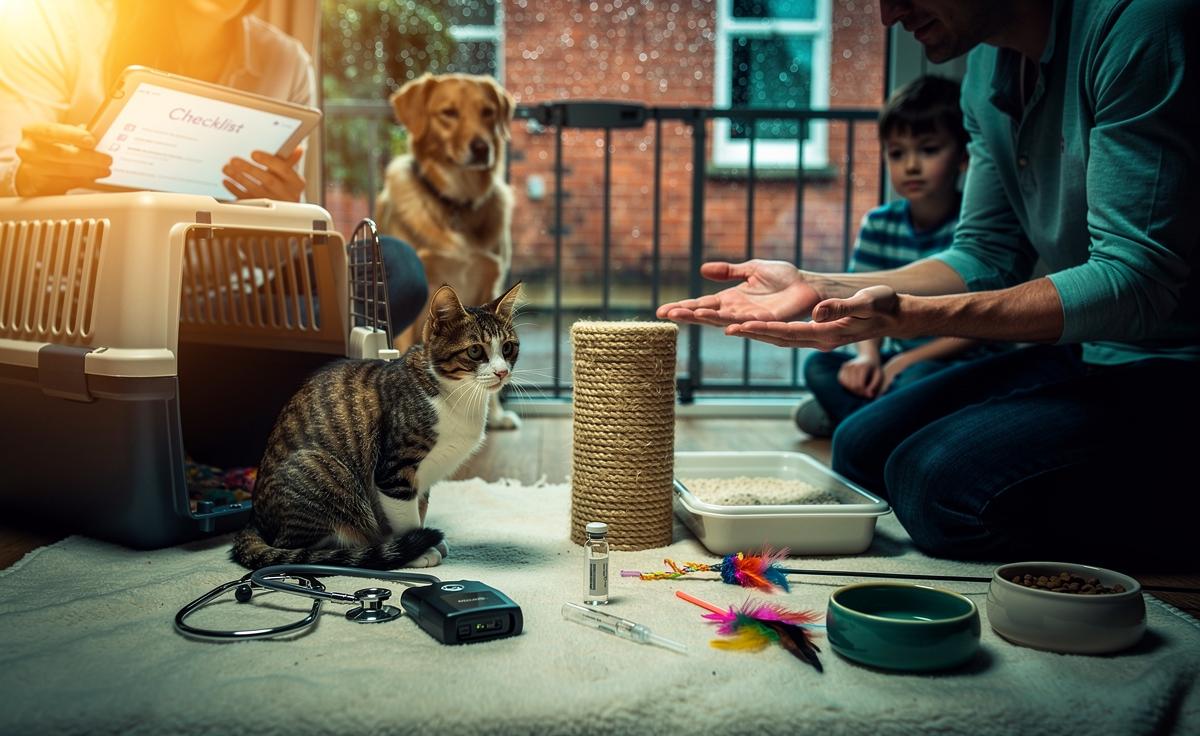
In a nutshell
- 🐱 Choose temperament over looks: prioritise behaviour, energy match, handling tolerance, and reaction to novelty; use a simple 3‑step fit filter to avoid mismatches and prevent returns.
- 🧠 Younger isn’t always better: solid socialisation happens up to 12 weeks; slightly older kittens or teens are often easier, healthier, and clearer in personality.
- 💸 Budget beyond the fee: plan for vaccinations, neutering, microchipping, parasite control, quality food/litter, and insurance; keep a £300–£500 buffer for emergencies.
- 🏠 Align home and lifestyle: confirm tenancy rules, kitten‑proof hazards, provide vertical space and scratch posts, use gradual introductions, and remember indoor‑only cats need extra enrichment.
- 🩺 Nail the basics early: vet check within 48 hours, schedule vaccines and neutering, legal microchipping by 20 weeks (England), continue gentle socialisation, and log appetite, litter, and weight.
Thinking about a kitten is pure joy: tiny paws, comic pounces, a purr that softens even the toughest day. But UK shelters quietly report a seasonal spike in returns when early excitement collides with reality. Before you follow your heart, pause to sidestep the traps that most first‑time adopters fall into. The difference between a dreamy adoption and a stressful surrender often lies in planning, not luck. From budgeting surprises to socialisation gaps and new legal rules on microchipping, here’s the clear, practical guide you’ll wish you’d read first. It blends frontline shelter insights with lived experience, so you can welcome a kitten for life—not just for the weekend.
Choosing with Your Heart, Not Just Their Eyes
It’s easy to fall for the fluffiest face. Yet behaviour outlasts markings. Shelters see it time and again: the photogenic kitten gets picked over the balanced one, only for mismatched energy or nerves to unravel a home. Adopting on looks alone often leads to mismatches that end in returns. Ask to meet the kitten in a quiet room, watch how they recover from startle, and invite a staff member to narrate what you’re seeing. A confident kitten explores, pauses, then re‑engages. A cautious one may be perfect for a calm home—but a nightmare in a house of toddlers and terriers.
Last autumn in south London, I shadowed a family who chose “Maisie” for her blue eyes. Within days, they discovered she’d panic at sudden movement—no match for three football‑mad kids. Rehomed once, she thrived with a retired couple. The fix? Slow the decision. Prioritise temperament, household fit, and the shelter’s notes over Instagram appeal. Consider this three‑step filter: 1) energy level vs your routine; 2) tolerance for handling; 3) reaction to novelty. Pick for tomorrow’s life, not today’s photo.
Why Younger Isn’t Always Better
“The younger, the better” is a persistent myth. Kittens need their mother and littermates for crucial socialisation between roughly two and seven weeks, and many learn bite inhibition and litter manners up to 12 weeks. Adopting too early can hard‑wire anxiety and rough play that owners later misread as “bad behaviour.” The RSPCA and major UK rescues typically rehome at eight weeks minimum, with many waiting until 10–12 weeks if possible. A tiny kitten isn’t a blank slate; it’s a work‑in‑progress that still needs feline teachers.
There’s also health. Earlier weaning can mean fragile immunity, tummy upsets, and poor growth. If you do adopt a bottle‑reared kitten, brace for round‑the‑clock feeds, meticulous warmth control, and vigilant vet checks. For most families, a slightly older kitten (10–14 weeks) is the sweet spot: curious, resilient, and already versed in the basics. And don’t overlook teenagers (5–9 months). They’re still playful, but their personalities are clearer. In rescue, “older” often means easier.
Budget Blind Spots: The Real Cost of a ‘Free’ Kitten
“Free to a good home” can be the priciest phrase in pet ownership. In year one, UK owners routinely spend far beyond the adoption fee on vaccinations, neutering, microchipping, quality food, litter, and a safety net of pet insurance. One uninsured emergency—swallowing string, a broken tooth—can run into the hundreds. With household budgets stretched, planning beats panic. Below is a conservative first‑year snapshot (per kitten):
| Item | Typical UK Range | Notes |
|---|---|---|
| Vaccinations + boosters | £70–£120 | Core jabs at ~8–9 and 12 weeks |
| Neutering | £50–£120 | Common at ~4–5 months |
| Microchipping | £15–£30 | Compulsory in England by 20 weeks |
| Flea/worm treatments | £60–£120 | Vet‑recommended schedule |
| Food + litter | £300–£600 | Quality kitten diet; clumping litter |
| Kit + enrichment | £80–£200 | Carrier, scratch posts, toys, bed |
| Insurance | £10–£30/month | Accident/illness cover recommended |
Budget a buffer of £300–£500 for the unexpected. The cheapest decision is often the one you make before you adopt. If funds are tight, ask rescues about included vet work; many rehome already neutered, chipped, and vaccinated—value that dwarfs the fee.
Home and Lifestyle Mismatches
Kittens are not plug‑and‑play. They need safe spaces, predictable routines, and gradual introductions. Renting? Check your tenancy; a “no pets” clause can force heartbreaking choices. Travel a lot? Line up sitters who understand kitten care, not just feeding. With small children or boisterous dogs, favour a resilient, well‑handled kitten—or wait. The right home at the wrong time is still the wrong home.
Prepare with focused kitten‑proofing and realistic lifestyle mapping:
- Secure cables, blind cords, and windows; stash sewing thread and hair ties (common ingestion hazards).
- Provide vertical space and multiple scratch posts to protect furniture and reduce stress.
- Set up two litter trays per kitten in quiet, separate spots; avoid perfumed litters at first.
- Plan a room‑by‑room expansion over a week; don’t “set them free” on day one.
- Indoors vs outdoors: weigh safety against enrichment. Indoor‑only isn’t automatically easier; it demands more play, puzzles, and climbing.
Case study: A Manchester couple kept their new kitten in an open‑plan living room; constant footfall meant constant spooking. Moving the base camp to a spare room, with scheduled play and short, positive dog meetings, flipped the outcome within days.
Skipping Health, Socialisation, and Legal Basics
A smooth first fortnight sets the tone for life. Book a vet check within 48 hours, whatever the source. Bring any previous records; if none exist, start a clear schedule for vaccinations, parasite control, and discuss timing for neutering. In England, microchipping is now a legal requirement by 20 weeks, with fines for non‑compliance—add the chip details to your address book and keep them updated. Good paperwork is part of good welfare.
Socialisation doesn’t end at adoption. In the 8–14 week window, shape calm curiosity: gentle handling, short car rides in a carrier, different floor textures, recorded doorbells, and visitors who respect consent. Swap “hands as toys” for wands; reward with treats when claws stay on the post. If adding to a resident cat, use scent swapping, barrier feeding, and stepwise visual introductions—days, not hours. Consider starter insurance from day one; dental and chronic conditions arrive earlier than you think. And keep a simple log: appetite, litter habits, weight. Small patterns caught early prevent big vet bills later.
Adopting a kitten should feel like aligning planets, not rolling dice. When you choose for temperament, time your adoption wisely, budget beyond the fee, tailor your home, and nail the health and legal basics, you don’t just avoid mistakes—you build a calm, confident companion. The payoff is measured in quiet evenings, gentle head‑butts, and a household that simply works. So, standing at the adoption threshold, what one action will you take this week to turn a lovely idea into a lifelong success?
Did you like it?4.4/5 (20)