In a nutshell
- 🧪 How it works: Split fibres create countless edges for mechanical lift, aided by electrostatic attraction and capillary action, so grime is lifted and locked rather than smeared—meaning fewer passes and cleaner finishes.
- ⚡ Real-world gains: Faster results, streak-free glass and steel, fewer chemicals for better indoor air, and colour-coded cross-contamination control that tightens audits and reduces rework costs.
- 🔍 Pros vs Cons: Pros include efficient dust/grease capture, durability, and low-chemical cleaning; cons include microfibre shedding (use laundry filters), heat sensitivity, no softeners/bleach, and limits on rough surfaces or high-heat disinfection.
- 🧰 Expert techniques: Fold cloths into eighths, work high-to-low and clean-to-dirty, use a two-cloth method (damp then dry), adopt figure-eight motions in kitchens, and launder at 40–60°C, air-drying to preserve fibres.
- 📊 Material contrast: Microfibre offers high dust capture with less water; cotton absorbs but can streak and shed lint; paper towels suit single-use hygiene yet add cost and waste—microfibre isn’t ideal on rough masonry or high-heat tasks.
Switching from old cotton rags to modern microfibre cloths is not just a trend—it’s a practical upgrade many UK cleaners, facilities managers, and allergy sufferers quietly swear by. In interviews across homes, schools, and surgeries, the same theme surfaces: microfibre delivers cleaner surfaces with fewer chemicals, less faff, and more consistency. The cloths aren’t magic; they’re engineered. Infinitely thin synthetic strands are split to create edges that grip dirt, oils, and microbes, rather than smearing them. That means quicker worktops, streak-free glass, and healthier indoor air. Here’s what experts say about how microfibre works, where it excels, and the small mistakes that can blunt its benefits.
How Microfibre Works at the Microscopic Level
At first glance, a microfibre cloth looks like any other cloth. Under magnification, it’s a dense forest of ultra-fine, split fibres, typically polyester and polyamide, engineered to create countless edges and channels. Those edges act like tiny hooks, grabbing hold of dust, grease, and residues, while the channels wick moisture through capillary action. The result: dirt is lifted and locked away rather than moved around. Because microfibre creates mild electrostatic attraction, it’s especially adept at capturing dry dust—including pollen and pet dander—without dispersing it back into the room.
Specialists describe three mechanisms that make the difference on real-world surfaces:
- Mechanical lift: split fibres scrape microscopic grime from pores and crevices.
- Electrostatic cling: dry dust is attracted and retained during wipe-downs.
- Capillary draw: moisture channels pull up spills for faster drying and fewer streaks.
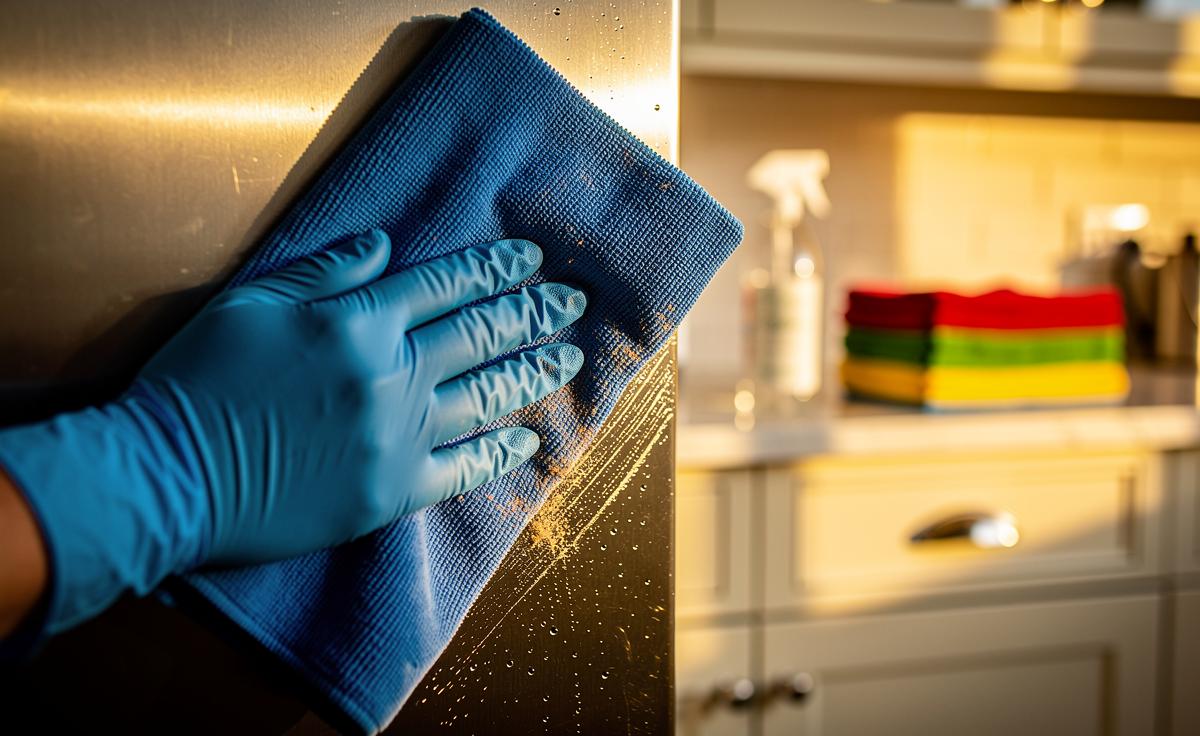
The upshot is simple: microfibre removes more with fewer passes. On glass, the fine edge profile curbs streaking; on stainless steel, it tames fingerprints; on sealed wood and laminates, it avoids the wet haze left by overly damp cotton. And in hygiene-critical settings, many teams rely on microfibre precisely because “removal” beats “displacement”—less residue left behind means less food for bacteria to regrow on high-touch points.
Measurable Benefits in Homes and Workplaces
Professionals often report three tangible gains after switching to microfibre: speed, consistency, and chemical control. The fibres’ efficiency means fewer passes per surface, saving minutes across a shift. Because they’re engineered to hold water well, microfibre cloths work effectively with plain water or a light dilution, cutting down on harsh formulations. That’s a welcome change in classrooms, nurseries, and clinics prioritising indoor air quality. Reduced chemical load also lowers costs and helps meet sustainability targets, a frequent KPI for estates teams.
Another clear advantage is streak-free finishing. On glass, ceramics, and polished stone, microfibre releases moisture evenly so surfaces dry quickly and cleanly. Allergy-prone households notice less airborne dust because debris is held in the cloth until laundering. Meanwhile, colour-coding—blue for general areas, red for sanitary zones, green for food prep—adds a layer of cross-contamination control that fits neatly into UK cleaning audits.
| Material | Dust Capture | Water Use | Best For | Not Ideal For |
|---|---|---|---|---|
| Microfibre | High (electrostatic + split fibre) | Low to moderate | Glass, stainless, sealed wood, screens | Rough masonry, high-heat sanitising |
| Cotton | Moderate (absorbent, less grip) | Moderate to high | General spills, oil soak-up | Streak-free finishes, fine dust |
| Paper Towels | Low to moderate | N/A | Single-use hygiene tasks | Cost and waste, smear-prone glass |
In facilities from Birmingham to Belfast, supervisors say these small operational wins—less rework, consistent results—add up across hundreds of touch points daily. For busy teams, predictable performance is the hidden superpower.
Pros vs Cons: When Microfibre Wins—and When It Doesn’t
Microfibre is a powerful tool, not a panacea. Understanding where it shines and where to pause makes a difference.
- Pros:
- Captures fine dust and grease efficiently, reducing pass count.
- Provides streak-free finishes on glass and shiny plastics.
- Works with minimal chemicals, supporting sustainability aims.
- Durable when cared for properly, lowering long-term costs.
- Cons:
- Can shed microfibres during washing; use laundry filters or bags to mitigate.
- Heat-sensitive: avoid high tumble heat and irons.
- Fabric softeners and bleach degrade fibre performance.
- Not ideal on very rough surfaces that snag or on tasks needing high-heat disinfection.
Why cotton isn’t always better: cotton absorbs well, but its smooth fibres tend to push fine residues rather than grip them. That means more product, more buffing, and more lint. Conversely, why microfibre isn’t always better: if you’re scrubbing brick or scraping hardened paint, a more robust pad or disposable option may be wiser. For eco-minded cleaners, the answer is mindful care—cooler washes, full loads, line-drying where possible, and a filter that keeps microfibres out of waterways.
Expert Techniques for Better Results
Technique elevates microfibre from “good” to “great.” Trainers recommend folding into eighths to create eight fresh faces: wipe with one, refold, and continue. Lightly mist the surface with water or a gentle detergent; over-wetting dilutes the capillary advantage and invites streaks. Clean from high to low and clean to dirty to avoid recontamination, and switch cloth colours religiously across zones.
On glass and screens, use a two-cloth method: one damp pass to lift grime, one dry pass to polish. For kitchens, a figure-eight motion increases contact angles and reduces missed patches; in bathrooms, a dedicated red cloth helps create a clear trail of accountability. Maintenance is non-negotiable: wash at 40–60°C, skip softeners and bleach, avoid high heat, and store fully dry to prevent musty odours. One facilities lead in Leeds told me their team cut repeat wipes simply by standardising folds, spray volume, and swap-out frequency—proof that technique often beats chemistry.
Microfibre’s appeal isn’t hype; it’s engineering put to work on everyday messes. By gripping dust and oils instead of moving them around, these cloths deliver cleaner, safer surfaces with fewer products and less effort. The caveat is care: if you launder badly, overwet, or use the wrong cloth for the job, performance dips. With smart technique and mindful maintenance, though, microfibre becomes a quiet upgrade that teams and households feel every day. Where could a simple switch in cloth—and method—save you time, product, and frustration this week?
Did you like it?4.4/5 (27)