In a nutshell
- 🧠 Habit science: consistency beats intensity; context cues build automaticity, making regular light cleaning stick.
- ⏱️ Time & energy: deep cleans fall to the planning fallacy and motivation dips; low‑friction micro‑sessions actually happen.
- 🧼 Hygiene wins: frequent wipes of high‑touch hotspots shorten microbial windows and reduce allergens and odours.
- 🧰 How‑to: use habit pairing, stage tools, and 60‑second starts; anchor micro‑tasks to daily triggers (after meals, before bed).
- 🏠 Outcomes: steadier cleanliness, less stress, and fewer weekend marathons; deep cleans become occasional support acts for ovens, mattresses, radiators.
Britain loves a spring clean, but the science of habits suggests our seasonal blitz is a false friend. Behavioural researchers argue that regular light cleaning—quick, repeatable actions woven into the day—beats occasional deep cleans on cleanliness, time, and stress. What we repeat shapes what stays clean, because consistency shrinks the friction that stops us from starting. In flats and family homes alike, tiny rituals—wiping the hob after tea, a 60‑second hoover of the hallway, clearing the sink before bed—create a positive loop: clear surfaces invite care, and cared‑for spaces stay clear. Here’s why habit experts say little and often wins.
The Behavioural Science Behind Small, Repeated Actions
Habits lock in when they are easy, obvious, and rewarding. The UK’s Behavioural Insights Team and researchers like Professor Wendy Wood concur: context cues drive automaticity—the brain’s shift from effortful choices to near‑autopilot. In practice, that means pairing a micro‑clean with a stable cue: after brewing morning tea, wipe the worktop; after the evening wash, squeegee the shower. The UCL study led by Phillippa Lally famously found that habit formation timelines vary widely, but consistency beats intensity. A five‑minute routine repeated daily embeds faster than a monthly marathon.
Deep cleans rely on motivation spikes and free weekends—scarce commodities. Light cleans rely on friction reduction: the tools are to hand, the task is clear, and the finish line is minutes away. Add a small reward (a tidy kettle area, the smell of fresh linen), and the loop tightens. Small actions compound: a quick sweep stops grit from grinding into floors; a daily bin check curbs odours before they require a full‑on decontamination mission. The result is a cleaner home with less decision fatigue and fewer chore negotiations.
Time, Energy, and Friction: Why Deep Cleans Fail
Deep cleans suffer from the planning fallacy (we underestimate time) and the motivation myth (we expect to feel like doing it). By the time Saturday arrives, energy has evaporated and the job looks mountainous. High‑friction tasks invite procrastination: moving furniture, washing skirting boards, decalcifying taps all at once is cognitively and physically heavy. Light cleaning flips the script. Ten minutes after supper to reset the kitchen, two minutes to spot‑wipe the bathroom mirror—these are low‑friction starts with natural stopping points, so they actually happen.
Think of cleaning like fitness. A single long run won’t make you fit, but three short runs a week will. Similarly, dust and grime accumulate continuously, not in dramatic bursts. Maintenance frequency beats dramatic intensity because it interrupts build‑up before it feeds on itself (grease attracts dust; clutter attracts clutter). The energy curve also favours mini‑sessions: you can insert them between meetings or while the kettle boils, rather than surrendering a precious day off.
| Factor | Regular Light Cleaning | Occasional Deep Clean |
|---|---|---|
| Typical Session Length | 5–15 minutes | 2–5 hours |
| Motivation Required | Low | High |
| Trigger | Daily cue (after meals, before bed) | Calendar event/rare free time |
| Cost of Skipping | Minor; easy to catch up | Major backlog; avoidance risk |
| Hygiene Stability | Steady and predictable | Spiky; clean/dirty swings |
| Emotional Load | Neutral to positive | Heavy; guilt and overwhelm |
Hygiene Outcomes: The Quiet Power of Daily Maintenance
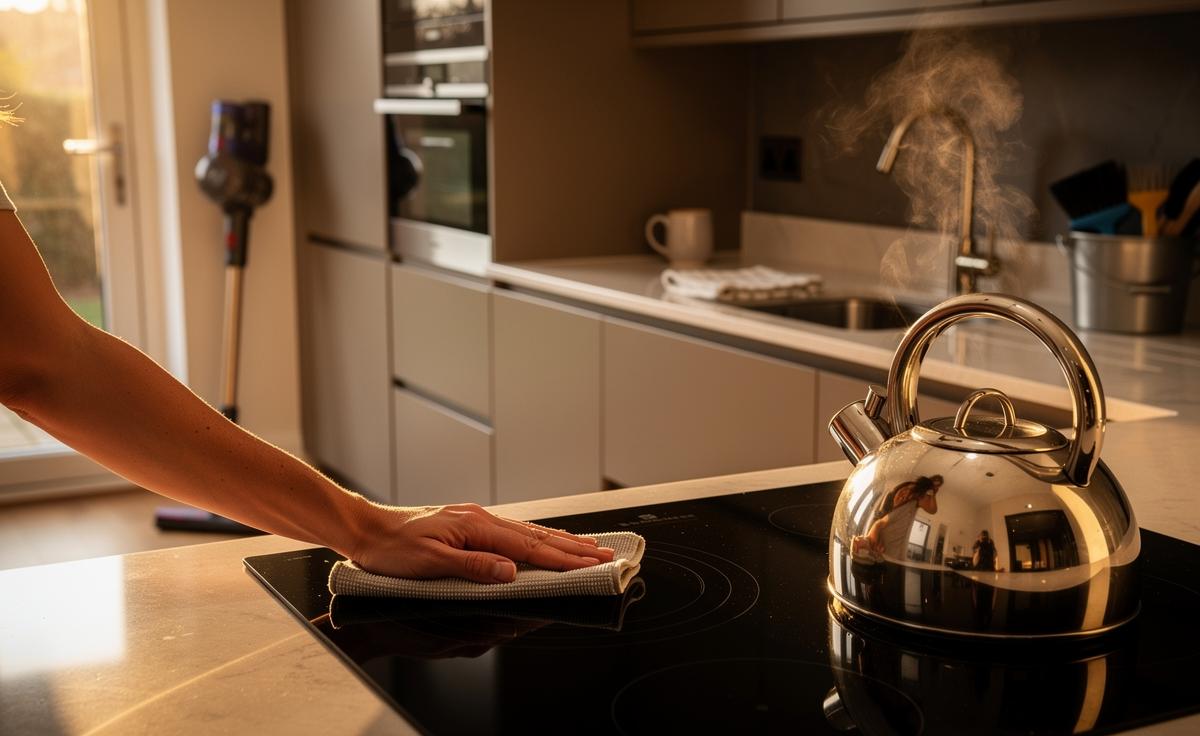
From a hygiene perspective, high‑touch hotspots matter more than skirting boards. NHS guidance emphasises regularly cleaning frequently touched surfaces to reduce transmission of germs on door handles, taps, and worktops. Light cleaning targets these “vectors” at the right cadence. Wiping little and often breaks microbial opportunity windows, especially in kitchens where crumbs and moisture fuel growth. A 30‑second hob wipe after cooking prevents the sticky film that later demands harsh chemicals and elbow grease.
There’s also the dust factor. Regular light hoovering keeps particulates down, which benefits allergy sufferers in particular. Meanwhile, daily bin checks and a quick rinse of the sink trap curb smells long before they announce themselves. Consider this minimal, high‑yield rota (each task 1–3 minutes):
- Kitchen: Wipe handles and worktops after meals; empty crumbs from toaster tray mid‑week.
- Bathroom: Squeegee glass after showers; quick disinfect of taps every evening.
- Living areas: Two‑minute hoover of traffic lanes; dust TV remote and light switches.
- Bedrooms: Clear bedside surfaces; quick lint roll for lampshades.
Hygiene improves not by heroics but by rhythm—and rhythm is the signature of habits.
How to Build a Low-Friction Light-Clean Routine
Design beats willpower. Place a microfibre cloth under the sink and a small spray on each floor. Use habit pairing: wipe the hob while the kettle cools; swish the loo after brushing teeth. Make the start ridiculously easy: commit to 60 seconds, not a spotless room. Track streaks on the fridge or phone—visible progress keeps momentum. In UK flats where storage is tight, kit matters: a slim broom by the doorway catches hallway grit before it travels, and a cordless hoover removes the cable excuse.
Plan by trigger, not by day of the week. The goal is a choreography of tiny tasks attached to reliable cues. Here’s a sample “light clean” map you can adapt to your household:
| Micro‑Task | Trigger | Time Cost |
|---|---|---|
| Wipe worktop and hob | After dinner plates are stacked | 2–3 mins |
| Squeegee shower | After last evening shower | 1 min |
| Hoover hallway | Shoes off at the door | 2 mins |
| Bin check and liner swap | Before the school run/work commute | 1 min |
| Wipe handles and switches | During tea brew | 2 mins |
Reduce friction, raise frequency, enjoy cleanliness as a side‑effect—that is the habit researcher’s playbook.
In a country where time is tight and space is precious, the evidence points one way: build small, repeatable cleaning moves into your day and let the compounding effects do the heavy lifting. Your future self will inherit calmer mornings, fewer weekend chores, and surfaces that never drift into crisis. The deep clean still has its place—mattresses, ovens, and radiators need seasonal care—but it should be the cameo, not the star. What light‑clean habit could you anchor to an existing routine this week, and how might your home feel different a month from now?
Did you like it?4.7/5 (21)