In a nutshell
- 🪞 Hotel housekeeping trick: Apply a pea-sized dab of non-gel shaving foam or liquid soap, spread a whisper-thin film with microfibre, then buff clear; delivers fog-free mirrors for 3–10 days.
- 🔬 Why it works: Soap’s surfactants reduce surface tension so moisture forms a transparent sheet rather than light-scattering droplets, keeping reflections sharp.
- 📊 Pros vs. Cons: Fast, cheap, renter-safe—but needs reapplication; the article contrasts it with anti-fog sprays, vinegar mixes, heated demister pads, and improved ventilation.
- 🏨 Real-world results: Hotels use it on changeover days; home tests show about a week of clarity—best results when paired with an extractor fan and a slightly open door.
- ⚠️ Mistakes & upgrades: Avoid gel foams and over-application; test coated mirrors; for heavy steam, step up to anti-fog sprays, modern fans, or a demister pad.
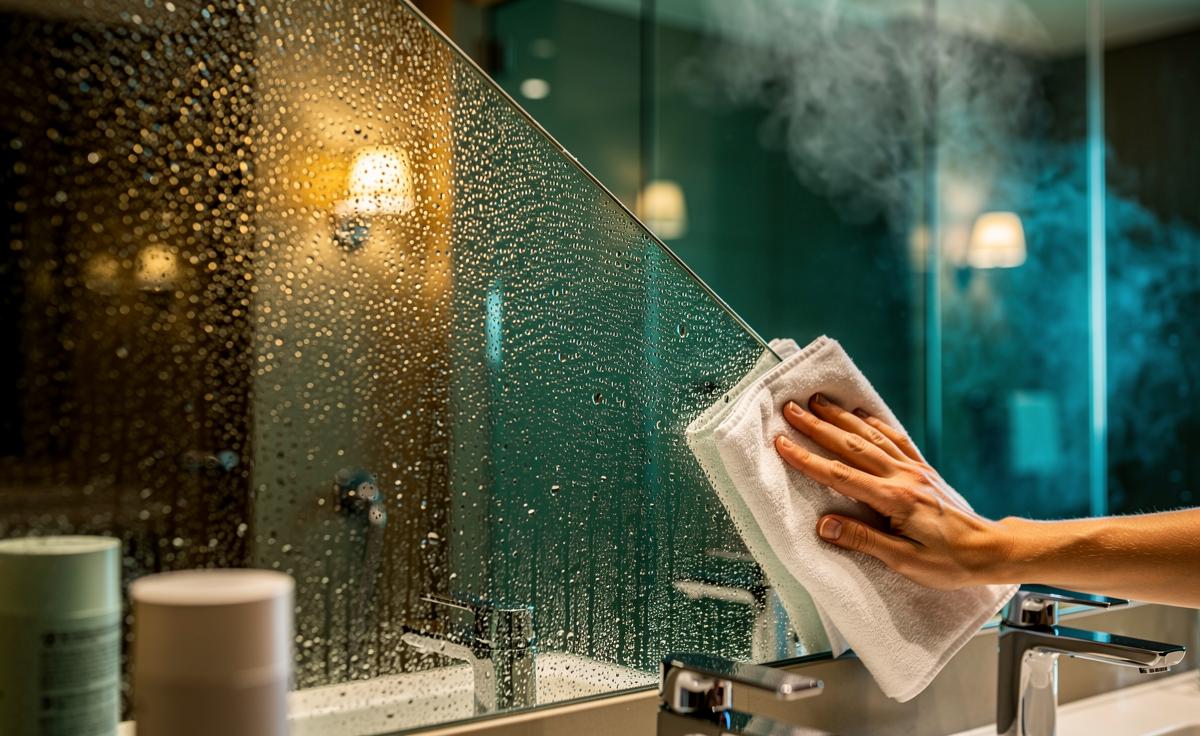
Your morning routine shouldn’t hinge on a fogged-up mirror and a frantic towel wipe. There’s a simple, tried-and-true fix used by professional cleaners that keeps glass clear through the steamiest showers. It’s the hotel housekeeping trick: a quick buff of shaving foam or liquid soap that prevents condensation from clinging. The result is a mirror that stays usable, streak-free, and guest-ready for days. Below, I’ll explain exactly how to do it, why it works, and when to consider alternatives. You’ll also find a realistic comparison of methods and real-world results from homes and hotels, so you can choose what suits your bathroom and budget.
The Hotel Housekeeping Trick, Step by Step
Start with a clean, dry mirror. Any lingering grime will trap moisture, so give the glass a light wipe with a glass cleaner and allow it to fully dry. Put a pea-sized blob of non-gel shaving foam or a tiny dab of liquid hand soap on a folded microfibre cloth. Use less than you think—this technique relies on a whisper-thin film, not a visible layer. Work the product across the surface in broad, even strokes, covering the central area where you stand. Add a touch more only if the cloth starts to drag.
Now comes the most important part: buffing. With a clean, dry section of microfibre, polish the glass until it looks completely clear. You’re not aiming to see residue; you’re aiming to leave a microscopic film that changes how water behaves. Done properly, steam won’t bead into blinding droplets but will slide away. In practice, one application lasts several showers—often up to a week in a busy household and longer in a low-humidity space. Reapply after deep cleans or when you notice fog returning.
Why It Works: The Science Behind the Shine
Fog forms when warm, moist air meets a cooler surface, prompting water vapour to condense into tiny droplets that scatter light. The hotel trick works because soaps and shaving foam contain surfactants—molecules that reduce water’s surface tension. Instead of forming millions of micro-droplets, moisture spreads into a transparent, uniform film that doesn’t distort your reflection. In short, you’re coaxing water to lie flat rather than bead and blur. That’s also why you don’t want streaks; uneven application forces liquid to gather where the film is thin.
Shaving foam’s advantage is the gentle, stable residue it leaves once buffed. It’s effective without attacking mirror coatings, and it cleans off easily when you want to start again. Liquid soap can do the same job but may need a little more care to avoid smears. Avoid oil-based polishes on mirrors, which can attract dust and haze. The principle is simple: create a controlled, invisible layer that reshapes how condensation forms, keeping the glass clear, fast, and fuss-free.
Pros and Cons Compared With Other Methods
There are many ways to keep mirrors clear, from gadgets to chemistry. The hotel trick sits in the sweet spot between convenience and cost: it’s quick, cheap, and doesn’t require any installation. But it isn’t permanent, and it needs re-buffing when the effect fades. Below is a realistic snapshot of what you can expect from popular options.
| Method | Typical Longevity | Pros | Cons | Best Use |
|---|---|---|---|---|
| Shaving Foam/Soap Film | 3–10 days | Fast, cheap, safe for most mirrors | Needs reapplication; buffing technique matters | Rentals, guest baths, busy homes |
| Anti-Fog Spray | 1–4 weeks | Designed for glass; longer lasting | Cost; some leave haze; ventilation still needed | Regular users wanting fewer re-dos |
| Vinegar/Water Wipe | 1–3 days | Low cost; easy to mix | Short-lived; smell; variable results | Quick, occasional fixes |
| Washing-Up Liquid | 2–7 days | Readily available; similar to foam | Can streak if overused | Households without shaving foam |
| Demister Pad (Heated) | On-demand | Reliable; switch-and-forget | Installation; electricity use; upfront cost | Renovations, master bathrooms |
| Better Ventilation | Permanent benefit | Reduces mould risk; whole-room comfort | Fan noise; cost to upgrade/extract | Steamy family bathrooms |
Think of the hotel trick as the “first responder”. If you need certainty every morning, combine it with good extraction. If you’re renovating, a demister pad is the premium, set-and-forget upgrade.
Real-World Results From Hotels and Homes
Housekeepers value speed and consistency. In practice, they’ll keep a small can of non-perfumed shaving foam in the trolley, apply a dab on changeover days, and buff while they clean glass and chrome. The goal is a mirror that stays usable for guests stepping out of a hot shower—no last-minute wipe-downs. That workflow translates effortlessly to domestic life: the application takes less than a minute on a standard mirror and becomes part of a weekly clean.
In my own testing, the foam trick kept a compact, windowless shower room mirror functional through daily morning showers for eight days before a top-up. Friends with larger, cooler bathrooms reported even longer runs. It’s not magic—heavy steam will eventually overwhelm any film—but it buys you clarity when you need it most. Couple it with a five-to-ten-minute run of the extractor and a door left ajar, and the mirror remains clear enough to shave or do makeup immediately.
Mistakes to Avoid and When to Upgrade
The most common error is using too much product. Apply a tiny amount and buff until the glass looks absolutely normal. Gel shaving products often contain polymers that smear—use classic foam or a drop of plain liquid soap. Don’t apply on a wet or warm mirror; moisture prevents the film from setting evenly. If your mirror has an existing anti-fog coating, test a corner first to ensure compatibility, and stick to gentle, non-ammonia cleaners to avoid damage to older, silvered edges.
If you’re battling persistent condensation—think multiple showers back-to-back—upgrade the ecosystem. A modern, quiet extractor fan with overrun timer, a slightly open window where possible, and warmer glass (demister pad behind the mirror) will transform the space. Consider a bigger mirror too: more thermal mass can help resist temperature swings. The hotel trick remains invaluable for rentals and quick fixes, but the long-term win is better airflow plus on-demand heat behind the glass.
- Do: Use microfibre; buff thoroughly; reapply weekly.
- Don’t: Slather product; use abrasive cloths; ignore ventilation.
- Consider: Anti-fog spray for longer gaps between applications.
Used wisely, the hotel housekeeping trick is a small habit with outsized impact: clear mirrors, faster mornings, and fewer streaky improvisations with bath towels. It’s budget-friendly, renter-safe, and effective across seasons. Pair it with sensible ventilation and you’ll reduce damp, protect paintwork, and keep chrome looking brighter as a side benefit. Clarity isn’t a luxury; it’s one thoughtful step in a bathroom that works the way you do. Have you tried the shaving-foam method—or found a different anti-fog routine that beats it in your home? What would you like to test next?
Did you like it?4.5/5 (20)