In a nutshell
- 🌅 Timing: The early-morning method uses cool glass, mild humidity, and soft light to slow evaporation—clean from shade to light for fewer streaks.
- 🛠️ Tools & Mix: Quality squeegee with fresh rubber, microfibre applicator/cloths, telescopic pole; DIY solution: distilled water + a few drops detergent + a splash of isopropyl; use the two-bucket system.
- 🧭 Method: Prep frames, apply and agitate, short dwell (10–20s), squeegee at 30–45° with overlaps, and wipe the blade after every pass; detail edges with damp then dry microfibre.
- 🧪 Troubleshooting: Use less soap to avoid film, treat hard-water spots with vinegar then rinse, scrape paint flat with a fresh blade, and replace worn rubber; hard-water areas benefit from distilled water.
- 🛡️ Safety & Scheduling: Work façades while shaded and move with the sun; secure ladders, avoid wind-plus-sun glare, and clean frames before panes to prevent smears.
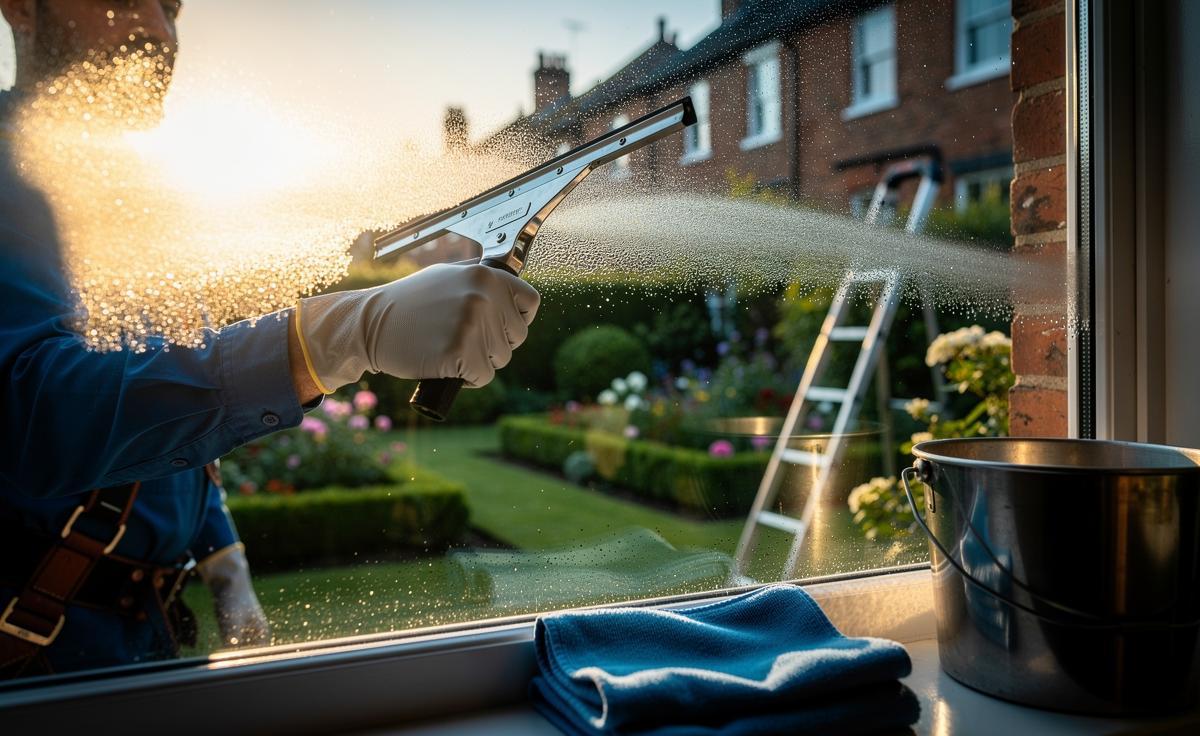
The top secret of streak-free glass isn’t a magic spray; it’s timing. Professionals across the UK swear by the early-morning method, when cool panes, mild humidity, and soft light work in your favour. Before the sun climbs and speeds up evaporation, you can agitate dirt, squeegee steadily, and detail the edges without chasing smears. I’ve watched crews from Bristol to Leeds glide through whole terraces by 9 a.m., leaving glass so clean it looks like fresh air. Below, I unpack the science, the kit, and a field-tested routine that homeowners can replicate. Get the timing right, and half the effort disappears.
Why Early Morning Beats Midday
Window cleaning is a chemistry and physics problem disguised as housework. In the early hours, cool glass slows evaporation, giving your solution time to dissolve grime before the squeegee lifts it away. Ambient humidity is typically higher, so detergent doesn’t flash-dry into faint streaks. The low sun angle also makes it easier to spot residues without heating panes unevenly. By contrast, once late morning arrives, direct sunlight warms the glass, the solution dries prematurely, and you end up buffing endlessly. If you can see your reflection sharply at noon, you’re already fighting the sun.
There’s a practical rhythm to this, too. Early morning streets are quieter, ladders and poles move more safely, and there’s less pollen and dust flying around to land on wet panes. On damp spring mornings, I’ve seen a careful cleaner use the dew to his advantage—lightly lifting surface dust with the applicator before deploying the squeegee. The key is to begin as dawn light strengthens, work façades still in shade, and move with the sun rather than against it. Always clean from shade to light; never chase glare.
| Time of Day | Pros | Cons |
|---|---|---|
| Dawn–Early Morning | Cool glass; slower evaporation; better visibility; quieter conditions | Occasional dew requires controlled technique |
| Late Morning | Brighter inspection light | Faster drying; more streak risk; rising wind/dust |
| Midday | Maximum light | Hot panes; rapid evaporation; hard-to-see smears in glare |
| Evening | Cooling glass; softer light | Diminishing visibility; residual pollen/grime from the day |
Tools and Solutions Professionals Swear By
Pros rely on simple kit used properly. A quality squeegee (35–45 cm) with fresh rubber is non-negotiable, paired with a microfibre applicator (or “mop”) and a sturdy bucket. Keep microfibre cloths for detailing edges and sills—wash them separately to avoid fabric softener residues, which cause film. For upper storeys, a telescopic pole keeps you off ladders where possible; if you must climb, choose a stable platform and keep three points of contact. The sharpest upgrade you can make is replacing squeegee rubber frequently—drag equals streaks.
On the solution side, go light. In soft water areas, a bucket of warm distilled water with a few drops of mild washing-up liquid reduces surfactant build-up. In hard-water postcodes, distilled water is a game-changer; it dries without mineral spots. For bite on greasy fingerprints, add a capful of isopropyl alcohol (70%) or a small splash of white vinegar. Avoid strong ammonia near tinted or coated panes. A dedicated scraper with a fresh blade is safe for specks of paint, but test a corner and hold it flat to avoid scratches.
- DIY mix (per litre): Distilled water + 2–3 drops washing-up liquid + 1–2 tsp isopropyl alcohol.
- Two-bucket system: One for clean solution, one for rinsing the applicator—keeps dirt out of your finish.
- Cloth strategy: One microfibre for wet edges, one dry for final detailing—never mix roles.
The Step-by-Step Early-Morning Routine
Begin while glass is cool and the façade is still shaded. Brush off cobwebs and grit from frames to stop particles scratching the pane. Dip the applicator, press out excess, then work the window with overlapping strokes, massaging corners and seals. Give the solution 10–20 seconds to loosen grime—but not long enough to start drying. Now set your squeegee at roughly a 30–45° angle and pull smoothly from the top, either straight down in parallel passes or in a practiced “fan” motion. Wipe the blade edge with a clean cloth after every pass—every pass.
Detail the edges using a barely damp microfibre, following with a dry microfibre to catch micro-beads. Check from two angles; early light is forgiving but revealing. On bay windows and Georgian sashes, work smaller panes first, then the larger centre lights. A case from a Manchester terrace: starting at 6:15 a.m., I cleared a Victorian bay by 6:40 using this sequence—no buffing needed, just tight squeegee work and disciplined blade wipes. If a faint arc appears, it’s usually residue on your rubber or too much detergent—reset your mix, clean the blade, and go again.
- Prep frames and sills; remove grit.
- Apply solution generously; agitate edges and corners.
- Squeegee top to bottom; overlap passes by 2–3 cm.
- Wipe blade after each pass; never let debris ride the rubber.
- Detail edges with damp, then finish with a dry microfibre.
Troubleshooting, Safety, and Weather Realities
Persistent streaks often come from over-soaping, old rubber, or dirty cloths. Use less detergent than you think—surfactants that survive the squeegee form a whisper-thin film that blooms in sunlight. For hard-water spots (minerals), soften them with a warm microfibre dampened with vinegar solution, then rinse and squeegee; avoid circular buffing, which just redistributes deposits. Fresh paint flecks? Use a pro scraper held flat, blades new and edges checked—micro nicks cause chatter marks. When in doubt, more pressure isn’t the answer; cleaner edges and a sharper blade are.
Safety is non-negotiable. If you’re climbing, secure the base on firm ground and keep the ladder just off the frame to avoid flex. Watch for leaded lights and older putty—treat them gently. UK mornings can bring drizzle; light rain won’t ruin the process, but wind plus sun will. I schedule east-facing elevations first, then south, circling with the shade. And remember frames: oxidised aluminium leaves grey smears; clean frames before panes, and change cloths after. Use distilled water in hard-water areas—it’s the simplest upgrade for a streak-free finish.
- Why sunny days aren’t better: Faster evaporation, more glare, higher streak risk.
- Why more soap isn’t better: Residue films magnify streaks as light increases.
- When to stop: If glass feels warm to the touch, move to a shaded elevation.
Clean windows don’t just look good; they change the mood of a room, letting in precise, colour-true light. The early-morning method stacks the physics in your favour—cooler panes, softer light, calmer conditions—so technique can shine. Start in shade, keep your rubber fresh, travel with the sun, and you’ll avoid the midday smear cycle entirely. After a week of dawn cleans, most readers report halving their time and binning the buffing cloth. What would transform your own routine more: refining your solution, refreshing your tools, or simply shifting your start time to that quiet, forgiving hour?
Did you like it?4.4/5 (20)