In a nutshell
- 💧 After 60, thirst is unreliable: dulled osmoreceptors, lower total body water from sarcopenia, and reduced kidney concentrating ability mean you can be dehydrated before feeling thirsty.
- 🧪 Hidden drains matter: medications like diuretics and SGLT2 inhibitors, osmotic laxatives, heat/dry air, and incontinence worries quietly increase losses or suppress intake—map yours and counter them.
- ⚙️ Effortless habits beat counting: anchor 150–250 ml sips to routines (waking, meds, meals), front‑load fluids into daytime, use watery foods, light flavour nudges, and visible bottle prompts; Patricia’s mid‑morning cue eased her dizziness.
- 🥤 Smart fluids—why water isn’t always better: mix in milk, ORS during heat/illness, and moderate tea/coffee for better retention; avoid over‑drinking low‑sodium water if prone to hyponatraemia or on sodium limits.
- 🧭 Personalise with safety: if you have heart failure or CKD, confirm fluid ranges with your GP; watch for signs like dizziness, morning headaches, or constipation, and prioritise steady, cue‑based intake over large, late gulps.
After 60, hydration stops being a background habit and becomes a daily health strategy. Doctors tell me the drop-off isn’t willpower; it’s physiology, medicines, and environment conspiring at once. As total body water falls and thirst signals dull, older adults can drift into a mild deficit that impairs attention, balance, and kidney function long before they feel “thirsty.” That’s why waiting for thirst is often too late. The good news? Small, repeatable tweaks create an effortless safety net. Below, clinicians unpack the mechanisms behind declining hydration, spotlight the hidden drains (from tablets to temperature), and share practical, low-burden tactics to keep fluids steady—without turning life into a litre-counting contest.
Why Thirst Signals Fade After 60
Ageing shifts hydration on three fronts: sensing, storage, and savings. First, brain osmoreceptors—the cells that detect rising blood concentration—become less responsive. That blunts the urge to drink even when the body needs fluid. Second, total body water drops as sarcopenia reduces muscle, our largest water reservoir. Third, kidneys lose some concentrating ability, leading to higher urine output for the same intake. Layer in slower gastric emptying and altered taste/smell, and sipping simply happens less often. Put bluntly: the early warning system quietens just as the tank shrinks and the tap runs faster.
Doctors also point to the “silent costs” of routine life after 60: more time in heated or air‑conditioned rooms (both increase insensible loss), less spontaneous activity that normally cues drinking, and sleep‑fragmented nights that discourage evening fluids. Cognitive load matters, too—when you juggle medicines, caregiving, and appointments, low-level thirst becomes background noise. Small deficits widen over days, showing up as morning headaches, dizziness on standing, or constipation. That’s why clinicians emphasise patterned sipping—gentle, automatic cues that restore the loop your thirst no longer closes.
Medications, Conditions, and the Environment: The Hidden Drains
Hydration after 60 is often decided at the pharmacy counter and by the weather forecast. Diuretics increase urine volume by design; SGLT2 inhibitors promote glucose and water loss; some laxatives pull fluid into the gut; high-dose vitamin D or calcium can be partnered with advice that changes fluid needs. Incontinence anxiety may nudge people to under-drink before outings, while heart failure or chronic kidney disease can involve fluid limits that confuse day‑to‑day choices. When in doubt, check your personal plan with your GP—especially if you’re on fluid restrictions.
Environment compounds the picture. UK heat alerts, warmer homes, and winter’s low humidity all accelerate unnoticed water loss through skin and breath. Hospital stays add risk, with unfamiliar routines and fewer prompts to drink. A practical step is to map your personal drains—your tablets, your climate, your mobility—and match them with effortless countermeasures.
| Trigger | Typical Effect on Hydration | Doctor Tip |
|---|---|---|
| Diuretics (e.g., furosemide) | Higher urine output | Time doses earlier; plan a mid‑morning drink |
| SGLT2 inhibitors | Fluid loss with glucose | Add small electrolyte‑containing drinks |
| Laxatives (osmotic) | Draw water into bowel | Pair with extra sips and watery foods |
| Heat waves / dry air | Insensible losses rise | Use scheduled sips and cool fluids |
| Incontinence worry | Intentional under‑drinking | Distribute intake earlier in the day |
Effortless Habits Doctors Recommend
Clinicians avoid rigid targets and aim for “friction‑free” habits. The formula: reduce decisions, increase cues, diversify sources. Try these evidence‑savvy tactics:
- Anchor sips to routines: 150–250 ml with waking, each medication round, and each meal. No counting, just cues.
- Front‑load daylight: Shift most intake to morning–afternoon to protect sleep and bladder comfort.
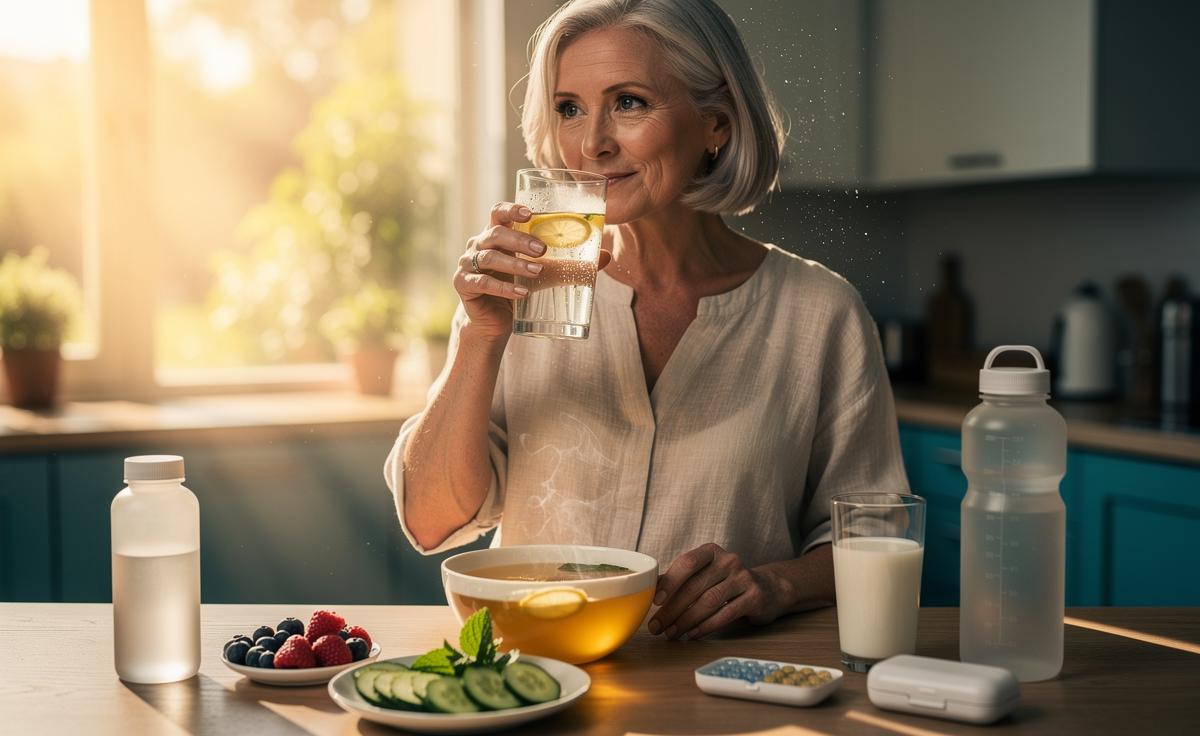
- Hydrate by eating: Add high‑water foods—cucumber, melon, berries, soups, stews, yoghurt. They “carry” water past taste fatigue.
- Flavour nudges: Citrus slices, mint, or a splash of no‑added‑sugar squash increase sipping without excess sugar.
- Electrolyte light: Half‑strength oral rehydration solution during heat, illness, or diuretic days supports balance without overdoing salt.
- Visible prompts: Keep a marked bottle where you sit; refill at set times rather than chasing totals.
Case file: Patricia, 72, on a diuretic, kept missing mid‑morning drinks and felt dizzy by noon. She paired her 10 a.m. tablet box with a 200 ml glass and shifted a cup of tea to 11 a.m. Two weeks later, her postural wooziness faded. Small, automatic steps beat heroic one‑off efforts. If you have heart failure or kidney disease, ask your GP or pharmacist to tailor these cues to your prescribed fluid range.
Smart Fluids: Why Plain Water Isn’t Always Better
Water is excellent—but not always sufficient. Doctors weigh osmolarity (how fluids hold onto water) and electrolytes (especially sodium) to keep fluid inside the bloodstream rather than straight to the loo.
- Plain water – Pros: zero sugar, cheap, available. Cons: in some people, fast gastric emptying and urine peaks; may not correct sodium deficits during heat/illness.
- Milk (semi‑skimmed) – Pros: retains fluid well, adds protein/calcium; good post‑exercise. Cons: lactose intolerance for some; calories.
- Oral rehydration solution (ORS) – Pros: optimised sodium–glucose ratio for absorption; ideal in diarrhoea, heat stress, diuretic‑heavy days. Cons: can be salty; check if on sodium limits.
- Tea/coffee – Pros: hydrating when taken in moderation; the “caffeine dehydrates” myth is overstated. Cons: late cups can disrupt sleep.
- Broth/soup – Pros: fluid plus electrolytes; easy when appetite is low. Cons: high sodium—caution in hypertension/heart failure.
- Alcohol – Cons: diuretic; impairs night‑time hydration and balance. Pros: none for hydration.
| Beverage (250 ml) | Approx. Water Content | Approx. Sodium | Notes |
|---|---|---|---|
| Water | ~250 ml | ~0 mg | Best general default |
| Semi‑skimmed milk | ~230–240 ml | ~100–125 mg | Good fluid retention |
| ORS (standard) | ~250 ml | ~400–450 mg | Use for heat/illness as needed |
| Clear broth | ~240–250 ml | ~600+ mg | Check salt limits |
More isn’t always better: over‑drinking low‑sodium fluids can dilute blood sodium in susceptible people. The smarter path is steady intake, some electrolytes when losses rise, and beverages you actually enjoy—because adherence beats theory.
Staying hydrated after 60 is less about chasing litres and more about shaping an environment where drinking happens without thinking. Understand the “why” (weaker thirst, kidney shifts, medicines), plug the drains (heat, diuretics, under‑drinking before outings), then make the right choice the easy choice: cue‑based sips, watery foods, and smart fluids. The aim is stable, comfortable hydration that supports balance, cognition, and independence. What one effortless habit—placing a glass by your tablets, switching an afternoon biscuit for yoghurt, or adding a half‑strength ORS on hot days—will you try first this week?
Did you like it?4.6/5 (20)