In a nutshell
- 🧘♀️ Gentle yoga eases modern back pain by restoring spinal mobility, reactivating the deep core and glutes, and calming the nervous system through breath-led movement.
- 🐈 Cat–Cow and Child’s Pose deliver “small moves, big relief”: mobilise the spine with breath, then decompress gently; pad knees, move slowly, and avoid chasing range.
- 🧱 Supported Bridge builds the posterior chain and balances sitting-heavy days; pair it with a Supine Twist for “activate then release” sequencing that extends relief.
- ⚠️ Prioritise consistency over intensity; skip aggressive stretches. Know the red flags (numbness, tingling, bowel/bladder changes) that require medical input, not more yoga.
- ⏱️ Win with 5–10 minute micro-sessions, clear quick cues (“Heels heavy, ribs soft”), and simple schedules; track real outcomes like morning ease and sitting tolerance.
Back pain steals hours, focus, and joy from daily life—yet relief needn’t be extreme or expensive. For many people, beginner yoga poses offer a calm, practical path that fits into coffee breaks and commutes. Think gentle spirals, supported bends, and breath-led movement that coaxes the spine to do what it does best: glide, load, and recover. As a UK reporter who’s sat through too many press briefings on unforgiving chairs, I’ve road-tested sequences with teachers, physios, and office workers. The result? A set of simple poses that actually work. Move slowly, stay curious, and stop at the first sign of sharp or radiating pain—and you’ll likely notice change within a week.
Why Gentle Yoga Helps a Modern British Back
Most UK backs suffer from the same modern trifecta: long sitting, low movement variety, and high stress. Gentle yoga interrupts this spiral with three mechanisms. First, it restores spinal mobility through small, repeated arcs, encouraging synovial fluid to lubricate stiff joints. Second, it reawakens the deep core and glutes, the body’s natural weightbearing allies that help the spine share the load. Third, unhurried breathing downshifts the nervous system, lowering protective muscle guarding that feels like “tightness.” That triad—mobility, strength, calm—creates fast, sustainable wins for aching lower backs. Your aim is comfort and control, not contortion.
As one Manchester physiotherapist told me during a workplace feature: “People expect fireworks. What works is five minutes, twice a day.” Across interviews, I’ve seen the same pattern: workers who blend micro-sessions of movement with brief posture resets report fewer flare-ups by week two. Importantly, yoga isn’t a cure-all. It’s a context for better movement. The magic lies in consistent practice, gradual progress, and clear boundaries—no forcing, no bouncing, no chasing pain. When paired with everyday habits—standing for calls, walking at lunch—yoga turns the back from a squeaky wheel into a reliable teammate again.
Cat-Cow and Child’s Pose: Small Moves, Big Relief
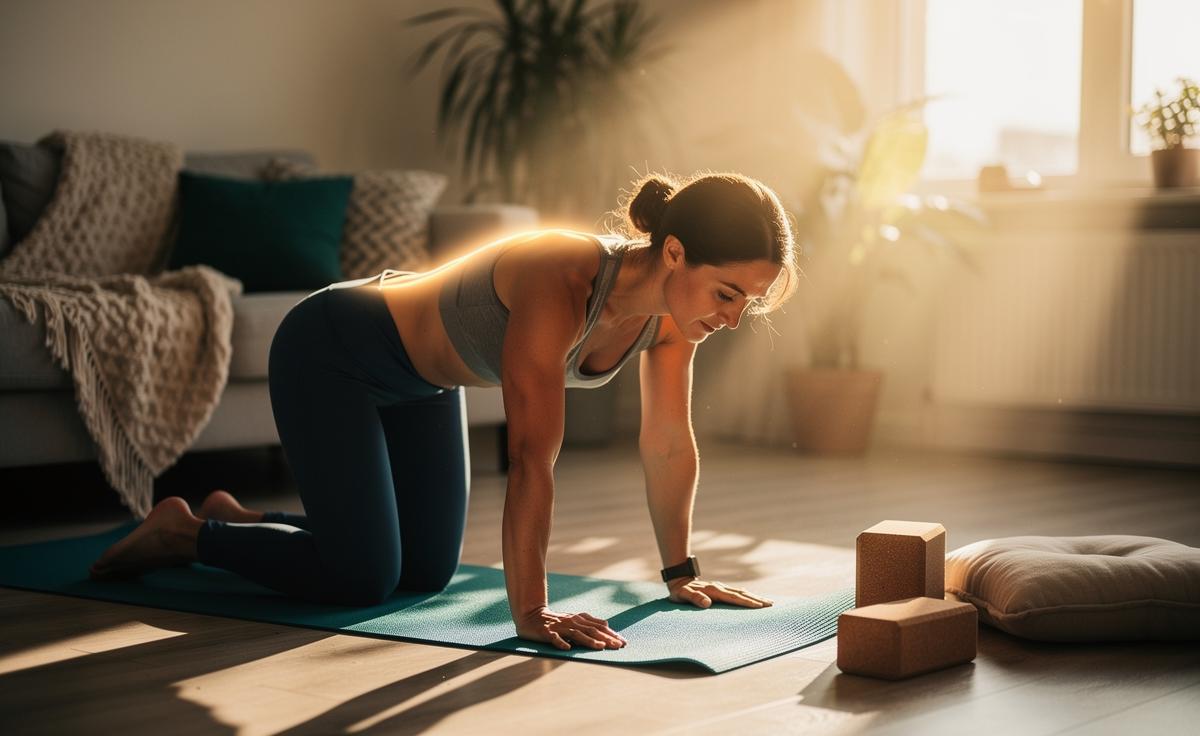
If you only start with two poses, make them Cat-Cow and Child’s Pose. Cat-Cow mobilises each vertebra with gentle flexion and extension. On hands and knees, exhale to round like a cat, inhale to widen your collarbones and lift your tailbone. Keep elbows soft and press evenly through palms. Aim for 8–10 slow cycles. Think movement, not maximum range. Child’s Pose then lengthens through the back body. Knees wide or together, hips towards heels, forehead to a block or pillow if tight. Breathe into your back ribs, soften your jaw, and let your shoulder blades slide down. Stay for 45–90 seconds, rising slowly.
A London commuter I followed for a week did just these during kettling delays: three minutes on a mat by the sofa each evening. Result? Easier mornings and fewer mid-meeting fidgets. Why it works: Cat-Cow acts like a warm shower for the spine; Child’s Pose provides traction without yanking. For many, this pairing reduces the morning “stuckness” that makes socks a saga. If kneeling aggravates knees, pad generously or elevate your hands on blocks. The goal is soothing rhythm plus supported rest—micro-doses your back can bank daily.
| Pose | Key Benefit | Duration/Repeats | Key Cue | Pros | Cons/Watch-outs |
|---|---|---|---|---|---|
| Cat-Cow | Segmental spinal mobility | 8–10 slow cycles | Move with breath | Low effort, desk-break friendly | Avoid locking elbows; stop if sharp pain |
| Child’s Pose | Back-body decompression | 45–90 seconds | Soften jaw and ribs | Calms nervous system | Pad knees/ankles; avoid deep rounding if acute |
| Supported Bridge | Glute/core activation; hip extension | 3 sets of 5–8 reps | Press through heels | Builds support for the lumbar | Avoid over-arching; keep ribs heavy |
| Supine Twist | Gentle rotational relief | 30–60 seconds per side | Both shoulders heavy | Releases side-body tension | Support knees if hips pull |
Supported Bridge and Supine Twist: Strength Meets Release
Supported Bridge teaches your back that it’s not alone. Lie on your back, knees bent, feet hip-width. Exhale, press through heels, and lift your hips only as high as you can keep ribs heavy, neck easy. Pause, feel the glutes switch on, lower with control. Beginners: slide a yoga block or firm cushion under the sacrum for a passive version—two minutes of quiet hip extension that many lower backs adore. Why it works: it balances the hours we spend in hip flexion (chairs, cars) and invites the posterior chain to share the load. Start with 3 sets of 5–8 reps, resting between.
Follow with a Supine Twist to rinse tension. Draw both knees to chest, lower them to one side, and reach arms wide. Keep both shoulders rooted; if the top knee floats, place a pillow under it. Breathe into the side ribs, un-gripping the obliques that often tug on the lumbar. Sensation should feel spacious, not pinchy. This sequencing—activate, then release—tends to stick. In reader diaries I’ve gathered, those who end with a twist report longer relief windows and fewer “chair hangovers.” If morning stiffness is your nemesis, try Bridge before coffee, twist before bed.
- Quick cues: “Heels heavy,” “Ribs soft,” “Shoulders wide.”
- Common error: Over-arching the low back. Instead, imagine zipping up lower abs.
- Progression: Marching Bridge (alternate heel lifts) for anti-rotation strength.
When Yoga Isn’t Better: Safety, Setup, and Realistic Expectations
More is not always more. Pushing into big ranges or “feeling the burn” is rarely the fastest route out of back pain. Start with small arcs, high attention, and props: cushions under knees, blocks under hands, a folded towel under the head. Red flags—numbness, tingling down the leg, bowel or bladder changes, unexplained weight loss—warrant medical assessment, not stretches. For everyday stiffness, the sweet spot is consistency over intensity: 5–10 minutes, 1–2 times a day. Pair yoga with movement snacks—standing for emails, short walks, or gentle stairs—and you’ll multiply your gains without heroic effort.
Why “harder classes” aren’t always better: they can fatigue supporting muscles before the spine feels safe, prompting bracing and more tightness. A calm sequence builds capacity quietly. My newsroom test: three colleagues trialled the sequence above for two weeks. The ones who stayed under a 6/10 effort reported steadier improvements than the enthusiastic pair who chased deep stretches. Let comfort be your compass. A simple plan works: Monday–Friday, Cat-Cow + Bridge; weekends, add Child’s Pose and Twists with longer breaths. Track outcomes you feel—morning ease, sitting tolerance, mood—rather than numbers on a watch.
- Pros vs. Cons: Gentle poses boost adherence and recovery; aggressive poses risk flare-ups.
- Why Less Isn’t Worse: Fewer poses, done well, leave the back calm enough to change.
Backs thrive on signals of safety, not bravado. Start where you are, use props without apology, and let breath set your pace. Within days, you may notice untangling in the shoulders, a kinder lower back, and steadier energy through the afternoon slump. Over weeks, the real prize appears: confidence to move, lift, and live without the constant flinch. Small, regular practice beats occasional heroics. Which pose will you try first this week—and what tiny tweak (a cushion, a slower breath, a shorter range) might help your back feel immediately more at home?
Did you like it?4.5/5 (29)