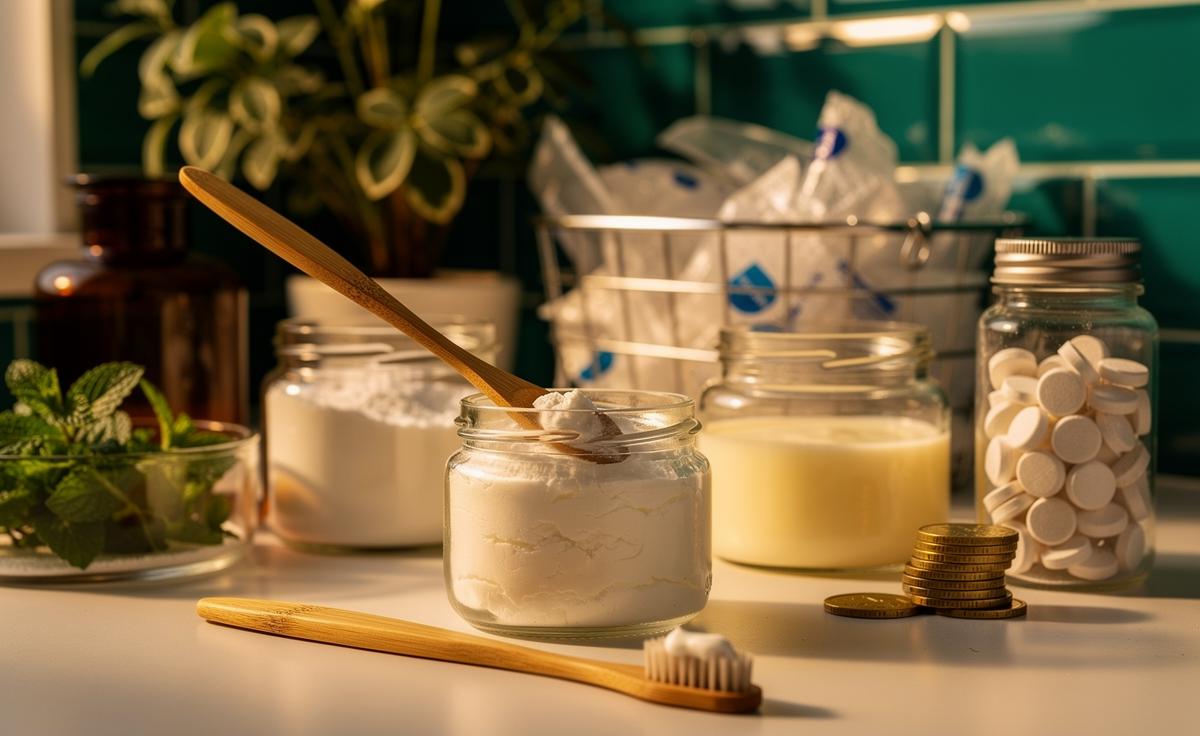
In a nutshell
- 🌍 Zero-waste approach: Reuse/refill glass jars or opt for fluoride toothpaste tablets in returnable pouches to slash plastic tube waste without sacrificing oral care.
- 🧾 Budget DIY recipe (UK-sourced): Calcium carbonate, baking soda, coconut oil/glycerin, xylitol, peppermint; costs ~£0.77 per 60 ml, saving families £40–£80 and 40–60 tubes per year.
- 🧼 Method & hygiene: Sterilise jars, mix dry then wet, decant with a clean spatula, store cool and use within 4–6 weeks; avoid sharing jars, tailor for children, and keep xylitol away from pets.
- 🛡️ Fluoride & abrasion caveat: Most DIY pastes lack fluoride—pair with 1350–1500 ppm fluoride mouthwash/tablets or nano-hydroxyapatite; keep abrasives mild and skip charcoal or lemon.
- 🔁 Practical hybrid wins: A morning DIY paste plus night-time fluoridated tablets worked well—one South London family cut ~52 tubes and saved ~£60 with no sensitivity at check-ups.
Toothpaste tubes are the poster child for everyday waste: convenient, cheap, and almost always binned. Most are made from multilayer plastics that standard UK kerbside schemes can’t process, so they head to landfill or incineration. Enter DIY zero-waste toothpaste—a small kitchen experiment that trims both plastic and your weekly shop. Done right, it’s gentle, effective, and surprisingly affordable. The key is balancing sustainability with oral-health best practice, leaning on evidence, not folklore. Below, I share a practical recipe, smart sourcing tips, and a frank look at the fluoride question that every eco-conscious brusher must navigate. The goal isn’t purity; it’s progress you can stick with.
What Zero-Waste Toothpaste Really Means
“Zero-waste” doesn’t mean perfection; it means designing a routine where packaging is reused, refilled, or genuinely recyclable. With toothpaste, that can be a home-mixed paste in a small glass jar, a powder stored in a tin, or toothpaste tablets in returnable pouches. The environmental win is immediate: fewer plastic laminates and caps, fewer energy-intensive supply chains, and easier end-of-life choices. But zero-waste isn’t automatically better for teeth. Some low-waste products skip fluoride or use harsh abrasives, and that can undo the good work you think you’re doing.
Think of zero-waste toothpaste as an approach with evidence-led guardrails. Your kit should be simple (a jar, spoon, and whisk), your ingredients traceable, and your expectations realistic. For many UK households, the sweet spot is a DIY paste or powder paired with a fluoridated companion—either tablets that contain fluoride or a mouthwash used at a different time of day. The result is tangible: less bin-bound plastic and a calmer bathroom shelf, without compromising dental health.
- Pros: Cuts plastic waste; customisable ingredients; can be far cheaper; quick to make.
- Cons: Most DIY mixes lack fluoride; risk of over-abrasion; hygiene needs care; not always child-friendly.
A Safe, Budget-Friendly DIY Recipe (With UK-Sourced Ingredients)
This recipe is designed to be gentle, low-waste, and frugal. It’s a smooth paste that cleans well without feeling sandy. Always patch-test for flavour and sensitivity, and keep it away from pets (xylitol is toxic to dogs).
Ingredients (for ~60 ml jar):
- 2 tbsp food-grade calcium carbonate (primary mild abrasive)
- 1 tsp baking soda (alkalinity; don’t overdo to avoid grittiness)
- 2 tbsp coconut oil or vegetable glycerin (texture, moisture)
- 2 tsp xylitol (optional; sweetness and anti-caries effect)
- 4–6 drops peppermint essential oil (flavour; optional)
- 2–3 tsp cooled, boiled water (adjust for consistency)
| Ingredient | Role | Typical UK Source | Waste Footprint |
|---|---|---|---|
| Calcium carbonate | Mild polish | Pharmacy, homebrew shops | Paper or recyclable pouch |
| Baking soda | pH buffer | Supermarkets | Cardboard box |
| Coconut oil/glycerin | Binder | Health stores | Glass or HDPE |
| Xylitol | Sweetness; plaque control | Bulk food shops | Refill or pouch |
| Peppermint oil | Flavour | Pharmacy | Glass bottle |
Cost snapshot (per 60 ml): calcium carbonate (~30g, £0.18), baking soda (~5g, £0.02), coconut oil (~25g, £0.25), xylitol (~10g, £0.07), peppermint oil (~10 drops, ~£0.25). Estimated total: ~£0.77. A 75 ml branded tube often costs £2.50–£4; over a year, a family of four could save £40–£80 and skip roughly 40–60 tubes. That’s immediate waste reduction you can see.
Method, Storage, and Hygiene
Method: Sterilise a small glass jar (rinse, then air-dry). Whisk dry ingredients in a bowl. Fold in coconut oil or glycerin, add cooled boiled water a little at a time, then add peppermint oil. Aim for a soft, non-drippy paste. Decant with a clean spoon. To use, scoop a pea-sized dab with a clean spatula (not the brush) to avoid introducing bacteria.
Storage: Keep closed, cool, and dark. Use within four to six weeks. If you prefer longer shelf life, skip the water entirely—use a thicker, oil-or-glycerin-only paste or make a dry powder and wet your brush before dipping into a separate dispensing cap. Clean tools and small batches are your best hygiene policy.
- Avoid sharing jars; make one per person or decant weekly.
- If the mixture separates in warm weather, stir; refrigeration helps coconut oil stay firm.
- For sensitivity, reduce baking soda and rely more on calcium carbonate for a silkier polish.
- Children: avoid essential oils; a plain, mild mixture is safer. Supervise to prevent swallowing.
- Pet safety: never store xylitol products where dogs can access them.
Oral Health Caveat: Fluoride and Abrasion
Here’s the candid bit: most DIY pastes are fluoride-free. UK dental guidance recommends adult toothpaste with 1350–1500 ppm fluoride to protect enamel. If you go DIY-only and skip fluoride entirely, you may increase your cavity risk. Two sensible compromises: use a fluoridated mouthwash at a different time of day (not straight after brushing), or choose low-waste toothpaste tablets with fluoride in glass jars or refill pouches. Many UK brands now offer these, alongside options with nano-hydroxyapatite for those who prefer a non-fluoride remineraliser.
Watch abrasivity. Baking soda is relatively gentle, but too much grit—especially from harsh clays—can wear enamel. Keep textures fine, avoid DIY add-ins like charcoal or lemon, and listen to your teeth: if hot/cold sensitivity creeps in, stop and reassess. A South London family I followed for three months used this paste plus fluoridated tabs at night; they cut an estimated 52 tubes a year and projected £60 savings, with no increase in sensitivity reported at routine check-ups.
- Pros vs. Cons: DIY wins on price and packaging; commercial fluoride pastes win on proven decay protection.
- Why “Natural” Isn’t Always Better: “Natural” abrasives and essential oils can still irritate; evidence, not labels, should guide choices.
Small switches add up. A glass jar, a few pantry staples, and a plan for fluoride can shrink your bathroom bin and your bills without short-changing your smile. The most sustainable routine is the one you’ll keep: if that’s DIY paste in the morning and fluoride tabs at night, brilliant; if it’s refillable fluoridated tablets only, equally solid. What matters is that the routine fits your life. How will you prototype your own zero-waste brushing—what recipe, refill, or hybrid will you test first, and how will you measure the difference it makes over a month?
Did you like it?4.5/5 (22)