In a nutshell
- 🥜 After 50, walnuts are dietitians’ top pick for heart health, delivering ALA omega‑3, fibre, and polyphenols that support LDL reduction and vascular function.
- ⚖️ Aim for a 30g unsalted portion daily and use a swap‑not‑add approach to avoid excess calories while improving cholesterol and satiety.
- 🍽️ Practical ideas: add to porridge, salads, pesto, and snacks; choose unsalted, buy value pieces, and store chilled to protect delicate fats.
- ✅❌ Pros vs. cons: benefits include LDL improvements and Mediterranean‑style fit; watch for calorie creep, allergies, and salted/glazed variants that blunt heart gains.
- 🔄 Nut comparisons: walnuts lead on omega‑3 ALA; almonds excel in vitamin E, pistachios aid portion control—rotate for variety, but walnuts remain the front‑runner after 50.
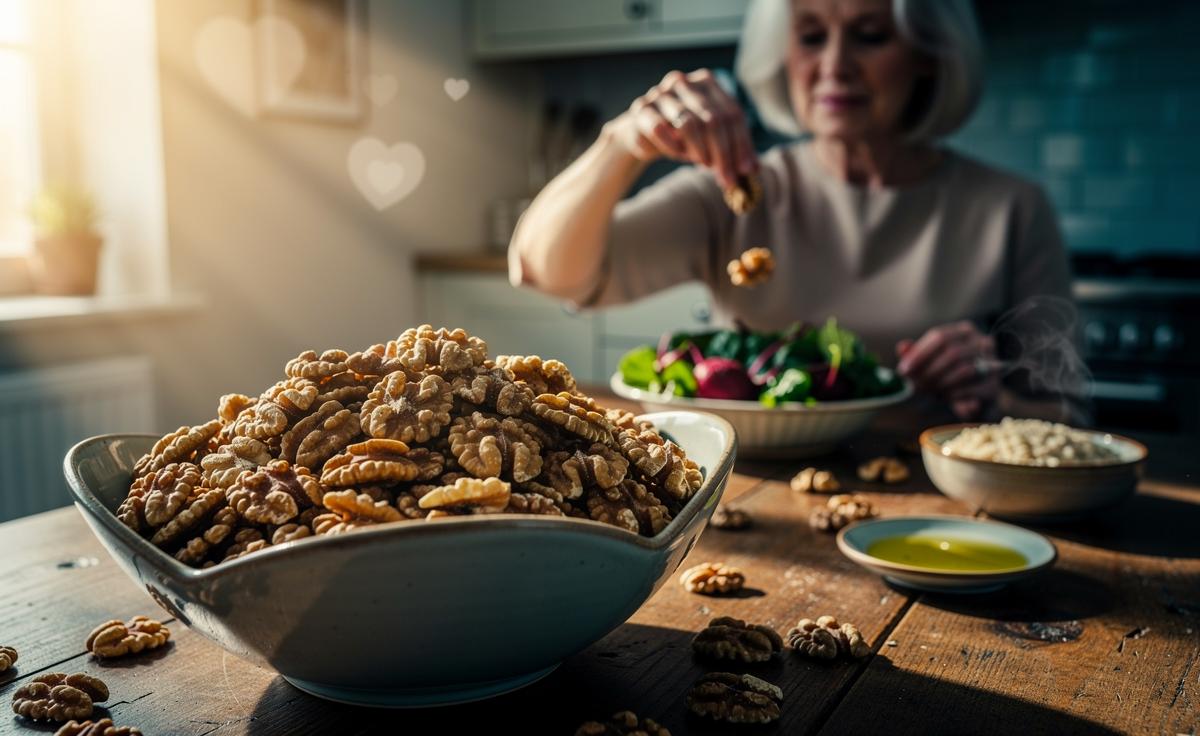
At 50 and beyond, many of us start reading labels with a little more intent, especially where blood pressure, cholesterol, and weight are concerned. Among the straightforward, food-first changes UK dietitians keep returning to, one stands out for heart health: walnuts. Rich in alpha‑linolenic acid (ALA), fibre, and polyphenols, walnuts offer a practical, enjoyable way to support cardiovascular markers without upending your routine. A small, daily handful—about 30g—can displace less-healthy snacks and add cardioprotective fats. Below, we break down why walnuts earn top billing after 50, how to use them without blowing your calories, and when they might not be the best choice for you.
Why Walnuts Win After 50: The Cardio Rationale
Heart disease risk rises with age, but dietary tweaks still move the needle. Walnuts are unique among widely available nuts because they’re the standout source of plant-based omega‑3 (ALA). ALA can be converted—albeit inefficiently—into EPA and DHA, but its independent benefits for endothelial function and inflammation are well documented. Randomised feeding trials have shown that when walnuts replace refined carbohydrates or saturated fats, LDL cholesterol tends to fall and vascular responsiveness improves. Mechanistically, walnuts bring a trio: ALA-rich polyunsaturated fats, fibre that binds bile acids (a cholesterol pathway), and polyphenols that help counter oxidative stress.
UK dietitians often recommend an unsalted 30g portion—roughly a small handful—because it’s realistic and aligns with smart snacking guidance. Importantly, the benefit is in what walnuts replace. Swap them for crisps, biscuits, or buttery add-ons, and you reduce saturated fat and refined starch while adding protective fats. For those worried about weight, multiple trials report no adverse impact on body weight when nuts are portion-controlled and part of a balanced plan. That matters in your fifties and sixties, when metabolic efficiency tightens and overeating is easier than we think.
Practical Ways To Add Walnuts Without Blowing Calories
Walnuts are calorie-dense but easy to fit into a heart-aware pattern if you treat them like a condiment or swap, not a bolt-on. The simplest tactic is a one‑in, one‑out substitution: add 30g of walnuts and remove an equivalent snack or a tablespoon of creamy dressing. Break them lightly by hand; smaller pieces distribute flavour more widely so you can use less.
- Breakfast: Stir 1 tablespoon of chopped walnuts into porridge with sliced pear and cinnamon.
- Lunch: Sprinkle over beetroot and goat’s cheese salads, replacing croutons.
- Dinner: Blitz into a basil‑walnut pesto; use 1–2 teaspoons per serving.
- Snack: Pair a small handful with an apple; avoid honey‑roasted or salted varieties.
- Baking: Swap half the chocolate chips in banana bread for walnuts to trim sugar.
Storage matters: keep walnuts in an airtight container in the fridge or freezer to preserve delicate fats and prevent rancidity. For budget shoppers, supermarket own‑brand walnut pieces are typically better value than halves and work just as well.
| Metric | Walnuts |
|---|---|
| Energy | ~196 kcal |
| Total fat | ~19 g (mostly polyunsaturated) |
| ALA (omega‑3) | ~2.5 g |
| Fibre | ~2 g |
| Protein | ~4.5 g |
| Sodium (unsalted) | Trace |
Pros vs. Cons: What Dietitians Want You To Know
Pros include improvements in LDL cholesterol when walnuts displace saturated fats, better diet quality through more unsaturated fat and fibre, and strong satiety for relatively modest volume. They also fit vegetarian and Mediterranean‑style patterns that have the best evidence for long‑term heart health. For many readers I’ve interviewed in Manchester and Cardiff cardiac rehab groups, the biggest win is practicality: walnuts are portable, require no prep, and feel like a treat.
Cons are real. Calories add up quickly; mindless handfuls can nudge weight upward, especially if they’re in addition to—not instead of—other foods. Nut allergies are a firm red light, and cross‑contamination matters. Those with sensitive digestion may need to start with 10–15g and build tolerance. Cost can bite; bulk buying pieces and freezing helps. Finally, roasted and salted versions undermine the benefit: salt isn’t helpful for blood pressure, and added sugars or glazes dilute the heart‑healthy profile. The balanced message from dietitians is simple: choose unsalted, watch portions, and use walnuts as a swap, not a garnish piled on top of everything.
Walnuts vs. Other Nuts: Why “Healthy” Isn’t One-Size-Fits-All
All nuts have merits, but they’re not interchangeable. Walnuts shine for omega‑3 ALA, while almonds lead on vitamin E and pistachios score highly on potassium and plant compounds. If your priority is heart rhythm and triglycerides, walnuts may edge it; if it’s glycaemic control or snack volume for calories, pistachios (in‑shell) can slow eating and aid mindfulness. The trick is aligning the nut to your goal and rotating for variety.
| Nut | ALA (g) | Fibre (g) | Total Fat (g) | Heart‑Health Notes |
|---|---|---|---|---|
| Walnuts | ~2.5 | ~2.0 | ~19 | Best plant omega‑3 source; supports LDL reduction when replacing saturated fats. |
| Almonds | ~0 | ~3.5 | ~14 | High vitamin E; evidence for LDL lowering and HDL support. |
| Pistachios | ~0 | ~3.0 | ~13 | Plant sterols; portion‑friendly in shell; useful for snacking control. |
| Cashews | ~0 | ~1.0 | ~12 | Creamy texture; lower fibre; choose unsalted to protect blood pressure. |
In UK clinics, the pragmatic compromise is a rotation: walnuts on most days for ALA, almonds for crunch and vitamin E, pistachios when snacking is the challenge. Diversity beats perfection, but if you’re picking one nut for heart health after 50, walnuts are the dietitians’ front‑runner.
As a reporter who’s sat in on countless NHS heart‑health sessions, I’ve seen that small, consistent changes outperform grand gestures. Choosing unsalted walnuts, storing them well, and using a measured 30g portion is a habit that compounds across weeks and blood tests. If medication is part of your plan, food still matters—and walnuts are an easy lever to pull. The smartest move is to make them replace, not add. How could you build a simple walnut habit this week—one swap, one shelf spot in your fridge, and one reminder on your phone to turn intention into action?
Did you like it?4.6/5 (21)