In a nutshell
- 🐝 Bees make informed choices based on nectar sugar concentration, scent cues, UV guides, and learned rewards; low payoff blooms are actively avoided.
- 🌸 Highly bred double blooms and sterile hybrids hide or reduce resources; prioritise single, open flowers planted in drifts to boost visits.
- ⚗️ Even small amounts of pesticide and fungicide residues can deter or disorient bees; adopt a do-no-harm spraying policy and never treat open blooms by day.
- 🌡️ Heatwaves, drought, and downpours alter nectar flow and scent; stabilise rewards with mulching, deep morning watering, windbreaks, and drought-tolerant species.
- 🛠️ Win bees back with a season-long flowering runway (willow to ivy), reliable water, nesting habitat, and evidence-led counts to refine planting over time.
Across Britain’s gardens and verges, many people are noticing an unsettling hush: fewer bees visiting flowers that once thrummed with life. After spending a morning with an entomologist tracking pollinator traffic in an Oxfordshire allotment, one cause became clear: bees are not snubbing flowers at random. They are making informed choices based on scent, colour, nectar quality, safety, and even electric fields around petals. When those signals misfire or promise little reward, bees simply conserve energy and move on. Here’s what’s changing in our landscapes, why some blooms are being bypassed, and the evidence-backed steps you can take now to attract bees back—without turning your plot into a pesticide battleground.
What Bees Sense—and Why Some Blooms Repel Them
Bees don’t just “see” flowers; they read them. They sample nectar sugar concentration with their proboscis, decode volatile scents that guide them to rich rewards, and perceive UV nectar guides—patterns invisible to us but blazing beacons to a bee’s eye. Crucially, they learn. If a plant repeatedly offers a poor payoff—thin nectar, hidden pollen, or contamination—bees form negative memories and redirect their flights. The entomologist I interviewed, Dr. Amara Singh, described bumblebees ignoring gaudy bedding plants to focus on a duller patch of knapweed, where a single landing delivered a reliable, energy-dense sip.
Several forces can flip a flower from magnet to mirage. Decorative breeding often yields double blooms that bury anthers, turning a buffet into a locked larder. Heatwaves and drought, now more common in the UK, depress nectar volume and alter floral volatiles, confusing foragers trained to a scent signature. Even trace pesticide residues—including some fungicides—may deter bees or impair their ability to navigate between consistent resources. From a bee’s perspective, a bloom that costs more wingbeats than it’s worth is not romance—it’s risk. That’s why you’ll see them bypass certain borders for a scruffier verge bursting with native, single-flowered species.
- Strong draw: Single, nectar-rich blooms with consistent scent.
- Weak draw: Highly bred ornamentals, low-sugar nectar, altered scent after heat or drought.
- Active deterrents: Chemical residues, inaccessible pollen, heavy shade and wind tunnels.
Common Garden Traps: Why Pretty Isn’t Always Pollinator-Friendly
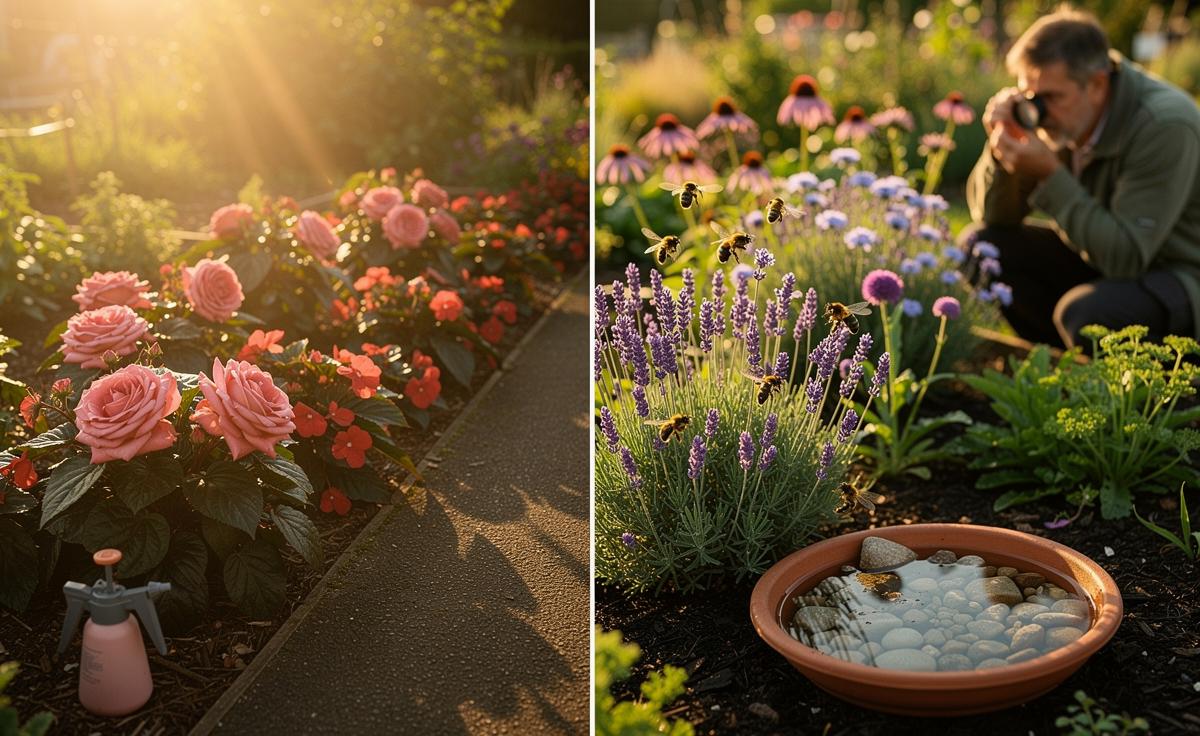
It’s a paradox of modern gardening: the more “perfect” a flower looks, the less useful it can be. The problem, Dr. Singh explained, is function sacrificed for form. Sterile hybrids may produce no viable pollen; double-petalled cultivars can smother nectaries under layers of showy petals. In a Sheffield case study I reported last summer, two adjacent front gardens told the story. The first, curated with ruffled begonias and impatiens, sparkled but drew near-zero bee visits over a week. Next door, a modest drift of lavender, marjoram, and field scabious became a constant refuelling stop.
Beauty isn’t the enemy—mismatch is. If a flower’s architecture forces bees to scrabble, they burn calories and time. That calculus matters most in early spring and late autumn, when colonies and queens are running tight energy budgets. Choose single, open forms (think cosmos, single dahlias, and old-fashioned roses with visible anthers) and plant in clumped drifts so scouts can advertise a reliable patch to nestmates. You’ll still have colour, but you’ll also deliver calories, which is the currency that keeps hives and wild nests alive through lean spells.
- Pros of single flowers: Accessible nectar/pollen, faster foraging, stronger recruitment.
- Cons of doubles: Hidden resources, lower reward consistency, higher abandonment rates.
- Smart compromise: Mix ornamentals with proven pollinator workhorses (e.g., sedum, geranium, echinacea).
Chemicals, Climate, and Competing Cues
UK gardeners often assume that since certain neonicotinoids are restricted, their patch is safe. But bees don’t read labels. Residues can persist in soil, drift from neighbouring plots, or arise from home-use sprays applied at the wrong time of day. Heat spikes and drought reduce nectar flow and warp scent bouquets; sudden downpours wash sugars away. Urban glare can even disrupt night-rest cycles for some pollinators, further tilting the cost-benefit math against marginal flowers. The upshot: stressed plants send mixed signals, and stressed bees are less forgiving.
When I tracked visits across a community garden during a July heatwave, the busiest stations clustered near hand-watered, mulched perennials and away from recently sprayed ornamentals. The pattern wasn’t subtle. Bees want three things: clean forage, predictable reward, and safe flight paths. Deliver those, and they’ll return—and recruit others.
| Factor | Bee Response | Quick Fix |
|---|---|---|
| Pesticide/fungicide residue | Avoidance, disorientation | Stop spraying blooms; treat only off-flower, evenings; use mechanical controls |
| Drought/heat | Lower nectar, altered scent | Mulch, deep-water mornings, choose drought-tolerant, nectar-rich species |
| Double or sterile varieties | Low reward, abandonment | Switch to single forms with visible anthers |
| Scattered planting | Harder to locate/remember | Plant in drifts of 5–7+ for strong signals |
| Night lighting | Disrupted rhythms | Use warm, shielded lights; switch off by 11pm |
How to Win Bees Back: Planting, Timing, and Maintenance
Think like a flight planner. Provide a flowering runway from late winter to late autumn so bees never face a hunger gap. In the UK, that means willow, lungwort, and heather for early forage; comfrey, marjoram, foxglove, and lavender for summer; ivy, sedum, and asters for autumn. Right plant, right place is not a cliché—it’s a survival plan. Group by sun, soil, and shelter to keep nectar production steady. Add a shallow, pebble-filled water dish; dehydrated bees can’t brew nectar into honey or cool their nests.
Maintenance matters as much as selection. Mow less and later to let clover and selfheal bloom. Deadhead tactically—leave some seedheads for structure while keeping key nectar plants cycling. Never spray during daylight, and read labels for bee-hazard warnings. Consider patches of bare, friable soil for mining bees, and leave hollow stems overwinter. Above all, measure: a weekly five-minute count of bee landings tells you whether your changes work. Evidence-driven tweaks beat guesswork every time.
- Plant in drifts and repeat blocks to amplify cues.
- Prioritise single, nectar-rich cultivars and UK natives.
- Create water and windbreak microhabitats to stabilise reward.
- Adopt a “do-no-harm” chemical policy—especially on blooms.
Bees aren’t turning their backs on beauty; they’re responding to economics, safety, and signal clarity. If your garden broadcasts clean rewards, consistency, and easy access, they will choose it—again and again. The good news is that small, thoughtful shifts outcompete flashy overhauls, and the results are visible within weeks of the first warm spell. In a year of weather swings and tight margins for wildlife, every reliable flower patch becomes a refuge. Which three changes will you make this month to turn your plot from a floral mirage into a genuinely bee-friendly service station?
Did you like it?4.5/5 (23)