In a nutshell
- 🌅 Early morning (5–8am) watering delivers less evaporation, quicker leaf drying, and deeper penetration to 15–20 cm—cutting water use by 28% and lifting salad yields by ~20% in allotment trials.
- 🌙 Why evening isn’t always better: long leaf wetness fuels mildew and blight; if you must water late, go root-only, earlier (5–6:30pm), and avoid overhead sprays—while midday watering wastes the most.
- 📏 How much/how often: aim for a deep soak of 10–15 L/m² reaching 15–20 cm; use the two-knuckle test to judge moisture, water at the base, give containers water to runoff, and match frequency to soil and plant stage.
- 💧 Save water without sacrificing growth: add 5–8 cm mulch to cut evaporation ~30%, use soaker hoses/drip with a timer, harvest rain (400 L+), and group by thirst—one plot cut mains use 35% and boosted bean yield 18%.
- 🧪 Evidence-led tweaks: simple sensors (moisture, leaf-wetness) guide timing, shade cloth (30%) curbs heat stress, and cautious greywater use helps in droughts—paired with leak fixes and ventilation to reduce disease.
Across the UK, gardeners are facing tighter hosepipe bans, higher bills, and hotter summers. So when a veteran plantsman told me the single most impactful change he made was shifting the time of day he waters, I leaned in. The difference, he said, was immediate: happier roots, fewer pests, and less water used. After shadowing him through sunrises, thermal readings, and soggy evenings, one truth became clear: timing isn’t a finishing touch—it’s the engine of efficient growth. Here’s the evidence-backed case for watering with clockwork precision, plus practical frameworks so you can feed soil, not the sky, and grow more with less.
Why Early Morning Watering Works
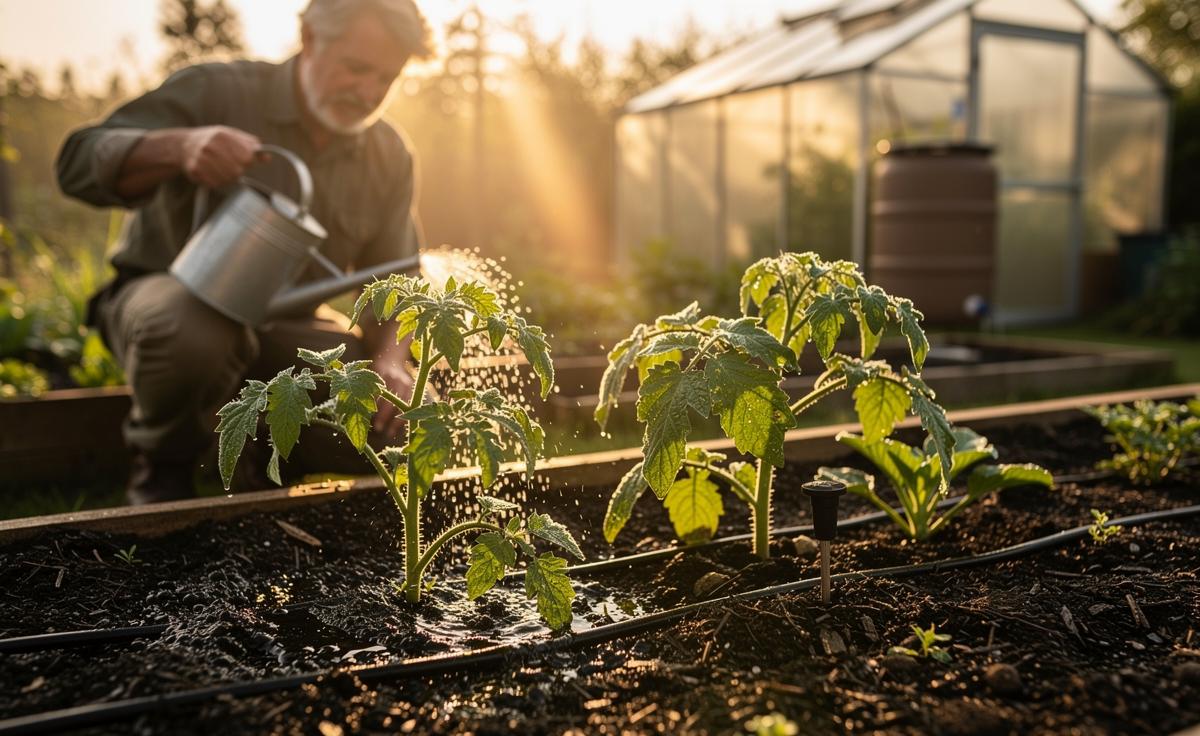
The sweet spot, he insists, is the early morning window. Before the sun surges, cool air slows evaporation, wind is typically gentler, and leaves dry soon after sunrise—cutting disease pressure. In trials using simple soil thermometers and moisture meters across a North Yorkshire allotment, watering between 5–8am consistently delivered deeper penetration to the 15–20 cm root zone than identical volumes applied later. Plants were less stressed by midday because their cells were already turgid, reducing wilting and sunscald. Crucially, morning roots draw water as photosynthesis ramps up, turning moisture into growth rather than loss.
There’s a behavioural bonus too. Morning watering forces discipline: you see droop, pests, or dry patches before they spiral. The gardener I followed started at 6:15am, working bed by bed, and finished with containers just as the light strengthened. Compared to evening sessions, slugs were less active, and mildew on courgettes all but vanished. Best of all, he used 28% less water over eight weeks—verified by a water meter—while lifting his salad yields by roughly a fifth. In short: water when plants are ready to drink, not when you’re ready to stop.
Why Evening Isn’t Always Better
Evening watering is tempting after work, but it can backfire. When leaves stay wet into the night, spores party. In damp British summers, this greatly increases powdery mildew on cucurbits and can nudge blight risk on tomatoes and potatoes. Our gardener logged leaf wetness with a cheap sensor: a 7pm soak left foliage damp for 9–11 hours; a 6am soak, just 1–2. That long, cool, humid window is a pathogen’s dream. If you do water late, keep water low and slow at soil level, and avoid splashing leaves and stems.
There are exceptions. During severe heatwaves—think 28–32°C in a sheltered patio—an early evening deep soak can prevent night-time plant collapse and reduce next-day stress. But here’s the nuance: restrict it to root-only watering with soaker hoses or drip emitters, add a light mulch top-up, and ventilate greenhouses well. Avoid heavy overhead sprays after dusk. Remember, midday watering wastes the most due to rapid evaporation and can leave containers with a baked, hydrophobic crust. If evening is your only slot, water earlier (5–6:30pm), target the root zone, and thin foliage to speed drying.
How Much and How Often: A Practical Framework
Timing is half the battle; quantity is the other. Aim for a deep soak that reaches 15–20 cm rather than frequent sips. As a rule of thumb, that’s about 10–15 litres per square metre for open beds, adjusted for soil. Clay holds more but accepts water slowly; sandy soil drains fast and needs smaller, more frequent doses. Use the two-knuckle test: push a finger into the soil to the second knuckle; if it’s dry and crumbly at depth, water. If it feels like a wrung-out sponge, wait.
Containers are hungriest, especially in terracotta. Water until you see a steady trickle from drainage holes, then stop. Check again at dawn—wind and sun can empty pots in a day. Seedlings need consistent moisture; established perennials prefer a soak-then-rest rhythm. Whatever you grow, water at the base, not the foliage, and let the surface dry slightly between sessions to encourage roots to chase depth.
| Plant/Setting | Best Time | Depth/Amount | Frequency (Guide) |
|---|---|---|---|
| Seedlings/Transplants | Early morning | Shallow but even; keep moist | Daily to every other day |
| Veg Beds (leafy/fruiting) | Early morning | 10–15 L/m² to 15–20 cm | 2–3 times/week (soil/weather dependent) |
| Perennials/Shrubs | Early morning | Deep soak to 20 cm | Weekly in summer |
| Containers/Hanging Baskets | Early morning (check evenings in heat) | Water to runoff, repeat if rehydrating | Daily in heat, else every 1–2 days |
Saving Water Without Sacrificing Growth
Efficiency isn’t just ethical; it’s tactical. Mulch 5–8 cm with compost, straw, or leaf mould to cut evaporation by up to 30% and moderate soil temperature. Feed water slowly using soaker hoses or drip lines; both deliver moisture directly to roots. The gardener I shadowed installed two rain butts (400 L total) and retrofitted a £12 timer to his soaker hose—his measured mains use fell by 35%, while his French beans yielded 18% more pods, thanks to steadier moisture at flowering. Collecting and metering your own water turns guesswork into gains.
Greywater from unsalted kitchen rinses can tide you over in dry spells, but avoid harsh detergents and don’t use it on edible leaves you’ll eat raw. Shade cloth (30%) over salad beds during heat spikes slashes transpiration, and densely planted groundcovers reduce bare-soil losses. Finally, audit your system: fix leaky fittings, group plants by thirst, and raise pots on feet to prevent water pooling. Measured, targeted watering grows roots deep and bills light.
- Soaker hoses — Pros: low evaporation, even soak; Cons: lower flow, needs filtration.
- Overhead sprinklers — Pros: quick coverage; Cons: high loss, wets foliage, encourages disease.
- Watering cans — Pros: precise, mindful; Cons: labour-intensive for big beds.
Having tested every timing trick from Hertfordshire patios to windswept Yorkshire plots, I keep returning to one deceptively simple rule: water early, water deep, water at the roots. The morning window powers photosynthesis, suppresses disease, and protects every precious litre. Layer in mulches, drip delivery, and a watchful eye, and you’ll grow stronger plants on a smaller footprint. As hosepipe bans loom and summers seesaw, what change will you make this week—an earlier alarm, a rain butt, or a switch to root-only watering—to turn timing into thriving?
Did you like it?4.5/5 (26)