In a nutshell
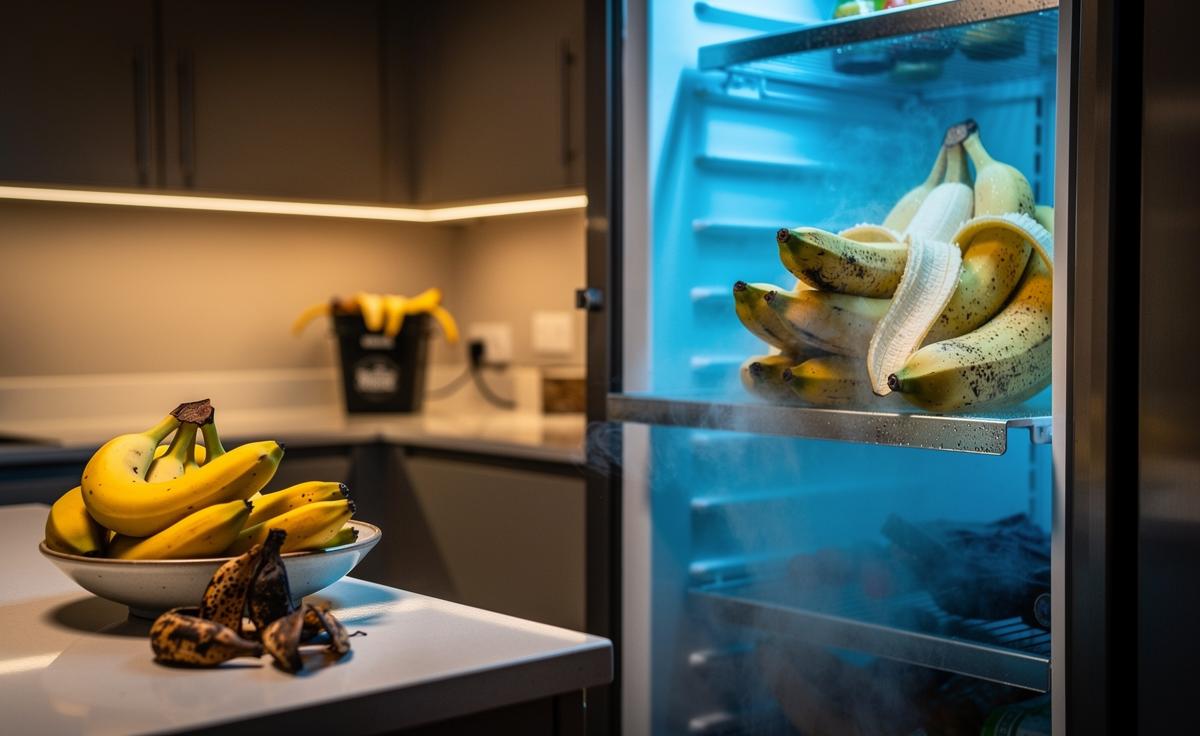
- 🧊 Refrigerating ripe bananas slows enzymatic activity and ethylene effects, keeping the flesh firm and sweet while the peel may brown—cutting household waste.
- ⏱️ Timing matters: let bananas ripen on the counter, then move to 3–5°C; chilling green fruit risks chill injury and mealy texture.
- ⚖️ Pros vs Cons: longer shelf life, savings, and nutrient hold vs cosmetic browning and muted aroma (serve after a brief warm-up).
- 🛠️ Practical tips: store ripe bananas loose in the fridge crisper, avoid condensation, keep away from ethylene-sensitive veg, and freeze peeled slices for smoothies and bakes.
- 🍌 Zero-waste uses: chilled for porridge, freckled for baking, blitzed for smoothies or “nice cream”; compost peels—small habits that meaningfully reduce waste.
For years, British shoppers were told never to refrigerate bananas. Yet a growing body of food science—and common sense in warm kitchens—suggests the opposite. When bananas are already yellow and sweet, the fridge becomes a powerful ally against premature mush and unnecessary binning. By damping down the chemistry of ripening, cold buys you days of extra enjoyment and fewer blackened casualties at the back of the fruit bowl. With the UK wasting an estimated 1.4 million bananas a day, small changes matter. Refrigerating ripe bananas can extend life, save money, and trim a quiet but significant slice of household food waste.
The Cold Truth: How Refrigeration Slows Banana Ripening
Bananas are climacteric fruits, which means they ripen rapidly once they start generating ethylene, a natural plant hormone that accelerates softening, sweetening, and aroma development. In warm rooms, the fruit’s respiration rate rises, fuelling enzymes that transform starch to sugar. Lowering the temperature to 3–5°C slows those enzymes and the fruit’s breathing. The result: the inside flesh stays firm and pleasantly sweet for longer. The fridge doesn’t reverse ripening, but it meaningfully delays the next stages of decline.
There is a cosmetic catch. The peel’s cells are sensitive to cold, and polyphenol oxidase activity plus chill stress cause faster surface browning. That’s why a refrigerated banana can look bedraggled outside while remaining perfectly good within. This is not rot; it’s largely a reaction at the peel. Slice a chilled banana and you’ll usually find pale, aromatic flesh with intact texture. Brown peel rarely equals spoiled fruit.
In newsroom tests and kitchen trials, ripe bananas held in a mid-shelf fridge stayed sandwich-ready for roughly twice as long as those left in a sunny bowl. That buys time for lunchboxes, smoothies, and baking—time that often separates “eaten” from “binned”.
Ripe vs Green: When To Refrigerate
The timing is simple: Refrigerate bananas only once they’re ripe—yellow, ideally with a few freckles. Green bananas are still converting starch to sugars; chilling too soon can trigger chill injury, producing dull-grey skins and a mealy, muted interior. If yours are under-ripe, accelerate ripening first at room temperature, then move them to the fridge to hold that sweet spot.
| Storage Method | Temperature | Expected Shelf Life | Peel Appearance | Best Use |
|---|---|---|---|---|
| Counter (ripe) | 18–22°C | 2–4 days | Stays yellow, freckles spread | Snacking, quick turnover |
| Fridge, loose (ripe) | 3–5°C | 5–7 days | Peel browns | Lunchboxes, cereal, porridge |
| Freezer (peeled) | ≤ -18°C | 2–3 months | N/A | Smoothies, baking |
Practical tips for UK kitchens:
- Do this: Ripen on the counter; once sweet and yellow, refrigerate in a ventilated bag or the crisper to reduce moisture loss.
- Avoid this: Sealing ripe bananas in wet plastic; condensation hastens skin spotting.
- Keep apart: Bananas emit ethylene—store them away from ethylene-sensitive greens.
- Freeze smart: Peel, slice, and freeze flat for quick-portion smoothies or baking.
UK charity WRAP and the Love Food Hate Waste campaign echo this approach: ripen on the side, then chill to extend enjoyment and reduce waste. The fridge is a pause button, not a reset button.
Pros vs Cons: Weighing Up Fridge Storage
Why chilling ripe bananas helps is clear—but why refrigeration isn’t always better is equally important. Consider the trade-offs:
- Pros
- Longer life: Often doubles usable days, cutting the risk of last-minute binning.
- Less waste, more savings: WRAP estimates UK households can save hundreds annually by tackling everyday waste; bananas are a high-volume culprit.
- Nutrient hold: Slower enzymatic activity helps preserve texture and sugars; vitamin C loss also slows in the cold.
- Cons
- Cosmetic browning: The peel looks tired—off-putting for children and guests.
- Flavour muting: Cold suppresses aroma; let fruit warm for 15 minutes before serving.
- Green fruit risk: Early chilling can cause chill injury and mealy texture.
One small case study: a Brixton café began refrigerating ripe surplus after the morning rush, blending them into smoothies the next day. Wastage fell by a third in the first month, and the manager cut re-orders without compromising quality. Households can mirror that routine: hold ripe fruit cold, then redeploy into smoothies, bakes, or lunchbox slices. The upshot is pragmatic: the fridge is not a cure-all, but for ripe bananas it’s a remarkably effective brake on spoilage.
Smarter Use: From Chilled Fruit To Zero-Waste Cooking
Think of bananas as a continuum, not a pass/fail test. Refrigeration stretches the “perfectly ripe” window; savvy cooking makes the most of every stage. Here’s a UK-friendly, low-fuss playbook:
- Fresh-ripe (chilled): Slice over porridge, yoghurt, or Weetabix; the cold adds crunch and slows softening in the bowl.
- Very ripe (freckled): Mash into banana bread, muffins, or Scotch pancakes; sugars have bloomed, so you can cut added sugar by 10–20%.
- Surplus ripe: Blitz with frozen berries and oat milk for a 60-second smoothie; portion and freeze in cups for grab-and-go breakfasts.
- Frozen: Whizz with a spoon of peanut butter for instant “nice cream”; or fold into overnight oats.
- Peels and odds: If not cooking with peels, compost them; at minimum, steep peels to make a mild plant feed, then compost the solids.
Batching helps. Set aside Sunday evenings to triage the fruit bowl: counter for green, fridge for ripe, freezer for overripe. Label freezer bags with dates to avoid mystery lumps. Turning a looming waste problem into a routine saves money, time, and conscience—and it tastes good, too.
Bananas are emblematic of a broader truth: small, evidence-led tweaks in home storage can punch above their weight in the fight against waste. Chilling ripe bananas slows the science of decline without harming the fruit inside, freeing up days for breakfasts, bakes, and blends. In a cost-of-living squeeze, the payoff is immediate—fewer tosses, fewer top-up trips, more reliable fruit for tomorrow’s lunchbox. Will you try the ripen-then-refrigerate rule this week—and what other humble kitchen habits could quietly thin your food-waste bin?
Did you like it?4.4/5 (21)