In a nutshell
- 🥶 Zone by temperature: Treat the fridge as microclimates—middle shelves for milk and eggs, bottom-back for raw meat, door for condiments—to keep food fresher longer.
- 🚪 The door runs warmer: Frequent openings cause temperature swings; moving dairy off the door adds days to freshness and improves safety.
- 🌿 Use crisper humidity wisely: High humidity for leafy greens, low for ethylene-producing fruits; separate ethylene-sensitive items to prevent wilting and over-ripening.
- 📊 Verify and optimise: Keep the fridge near 4°C with a thermometer, allow airflow, and clean door gaskets to stabilise temperatures and cut waste.
- ⚠️ Avoid common mistakes: Don’t overpack, don’t put in hot leftovers, and don’t mix ethylene emitters with delicate greens.
There’s a deceptively simple fridge fix that can keep groceries tasting better for longer, cut bills, and reduce waste: stop treating the door as premium shelf space and rearrange by temperature zone. In UK kitchens where space is tight and shops are close, we often prioritise convenience over science. Yet a small reshuffle—moving milk and eggs off the door, dedicating the bottom shelf to raw meat, and pairing produce with the right drawer—can add days to freshness. It’s about understanding how cool air moves, how doors leak warmth, and how humidity shapes ripening. Below, a practical, evidence-led guide you can apply in ten minutes, with results you’ll likely notice by the weekend.
The One-Tweak Strategy: Zone Your Fridge by Temperature
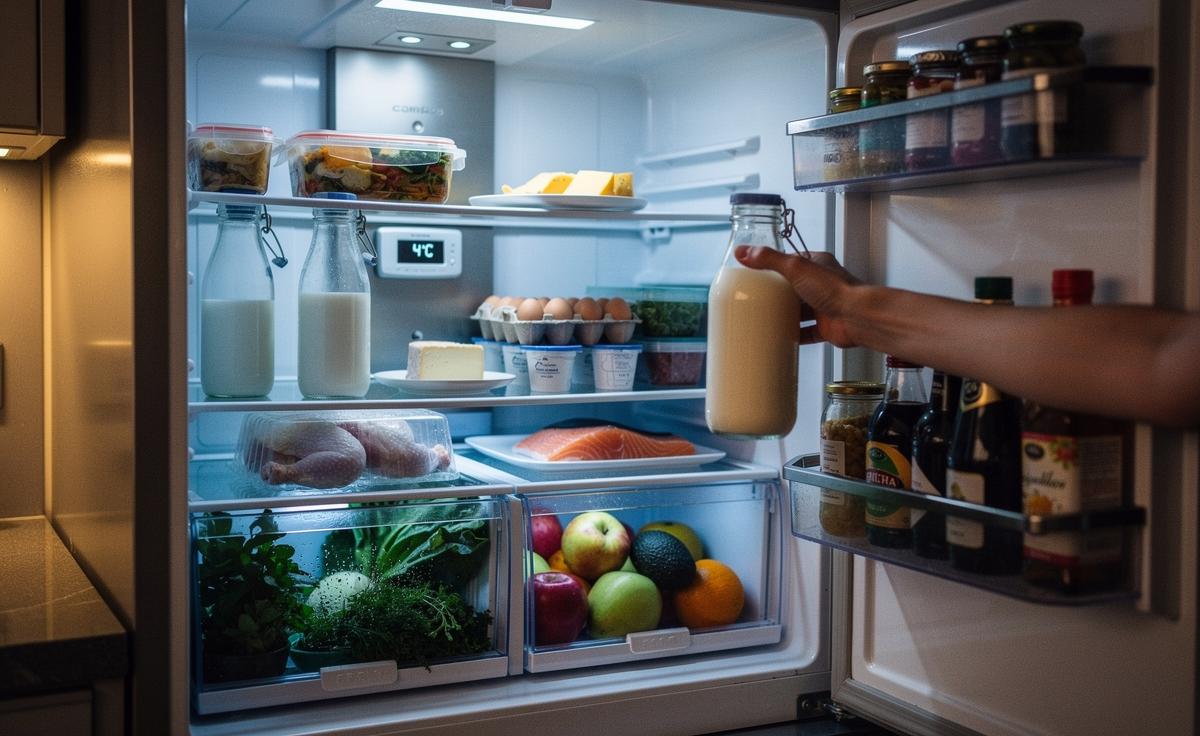
Think of your fridge not as a single cold box but as distinct microclimates. Cold, dense air sinks; warm air pools near the door and rises. In many larder-style and frost-free fridges, the bottom-back area is coldest, making it ideal for raw meat and fish (well-sealed to avoid drips). The middle shelves hold the steadiest temperatures—best for milk, yoghurt, soft cheeses, and leftovers. The top shelf is slightly warmer and suits ready-to-eat items with shorter stints, from cooked meats to dips. The door, meanwhile, is the “weather front,” with temperatures that swing whenever you browse for butter.
Rearranging your shelves to match those zones is the single biggest lever for longer-lasting food. Shift milk, juice, and eggs off the door and onto a central shelf; relocate condiments, sauces, and pickles to the door; keep raw proteins on the bottom shelf in a tray. Add a basic thermometer to verify you’re near 0–5°C (ideally around 4°C), and don’t block vents that feed the cold air. In small fridges, even a few centimetres of clearance around containers improves circulation and consistency.
Why the Door Isn’t Cold Enough
The fridge door is a convenience trap. Each opening invites a gush of room air; bottles and eggs stored there can ride a rollercoaster of temperature fluctuations. Dairy is fussy about these swings: milk fat oxidises faster, and lactic bacteria work harder as temperatures rise and fall. While not all fridges behave identically, logging studies consistently show the door runs warmer than interior shelves—often by several degrees after a busy cooking session. If you’ve ever wondered why milk seems to “turn” quicker than expected, the door is a prime suspect.
UK guidance is clear: keep fridges at 0–5°C, and the Food Standards Agency advises storing eggs in their carton in the fridge for consistent cold. Middle shelves deliver that consistency. To simplify, use this quick allocation to prevent quality dips and safety risks:
- Door: Condiments, pickles, jams, soy sauce, hot sauce, butter (short-stay).
- Top shelf: Ready-to-eat foods, opened jars, deli items.
- Middle shelves: Milk, yoghurt, soft cheeses, cooked leftovers.
- Bottom shelf: Raw meat/fish (on a tray), vacuum-packed items needing the coldest zone.
- Crisper drawers: Produce, split by humidity (see below).
Crisper Drawers, Humidity Hacks, and Ethylene Pairings
Most crisper drawers are not identical; many have sliders that change humidity. High humidity slows water loss—perfect for leafy greens. Low humidity vents moisture and ethylene gas, better for fruits that ripen. Knowing which foods produce ethylene (apples, pears, kiwis, avocados) versus which are ethylene-sensitive (leafy herbs, broccoli, berries) can prevent unintended ripening and wilting. Store greens in high humidity, fruit in low humidity, and keep ethylene-bullies away from delicate, ethylene-sensitive produce. If your fridge lacks sliders, you can mimic the effect with perforated (low humidity) versus sealed (high humidity) produce bags.
As a rule of thumb: stash herbs and leaves with minimal air exchange to stay perky; give fruit a little venting so it doesn’t sit in trapped gas. Keep onions and potatoes out of the fridge entirely; they prefer cool, dark cupboards. For quick recall, use this table as your drawer decoder:
| Drawer Setting | Best For | Examples | Why It Works |
|---|---|---|---|
| High Humidity | Moisture-loving, ethylene-sensitive veg | Spinach, lettuce, parsley, tender herbs, broccoli | Reduces water loss and wilting; protects from ethylene |
| Low Humidity | Fruits and veg that emit ethylene | Apples, pears, avocados, stone fruit, peppers | Vented space lets ethylene escape to slow over-ripening |
A Mini Case Study From a London Flat
In a Hackney flat with a small 55 cm-wide fridge, I mapped temperatures using an inexpensive digital thermometer: the door averaged warmer readings and spiked after Sunday batch-cooks, while the centre shelves held steady close to 4°C. After shifting milk, yoghurt, and eggs to the middle shelf; dedicating the bottom shelf to raw chicken and fish; and splitting the crisper by humidity, the difference was immediate. Bagged salads stopped collapsing midweek, berries held their bloom, and dairy tasted fresher until the date. The door became a tidy gallery of sauces, pickles, and the butter I reach for daily.
Equally important were two supporting tweaks: not overfilling (so cold air could circulate) and never covering rear vents with tall bottles. A quick weekly wipe of the door gasket restored a tight seal, cutting those temperature spikes after family meals. And I followed date labels to the letter—always respect use-by dates for safety, and rely on your senses for best-before quality. The net result: fewer last-minute bin dashes and a calmer, more predictable fridge routine.
Pros vs. Cons and Common Mistakes
Re-zoning your fridge pays off fast, but it’s not magic. The positives are tangible: longer peak quality for greens and soft fruit, fewer off-flavours in milk and cheese, and clearer separation of raw and ready-to-eat foods for safety. There’s also a behavioural win: you see what needs eating first when the “golden zone” is reserved for perishables, not hot sauce. In small UK kitchens, that clarity can be the difference between a calm weekday dinner and an emergency shop.
Still, a few caveats apply. Temperature distribution varies by model; verify with a thermometer. Frost-free fans can dry out exposed produce; bag leafy items lightly. And beware these common mistakes:
- Overpacking: Blocks vents; creates warm pockets.
- Hot leftovers in: Pre-cool to protect the whole fridge’s temperature.
- Eggs on the door: Keep in carton on a steady shelf.
- Misusing crispers: Mix of ethylene producers with sensitive greens accelerates spoilage.
- Neglecting seals: Dirty or loose gaskets leak cold air and money.
Rearranging your fridge by temperature zones—door for condiments, middle for dairy and leftovers, bottom for raw meat, drawers by humidity—seems trivial, yet it protects flavour, texture, and safety with every open and shut. Add a cheap thermometer, keep a fist-width of space for airflow, and respect date labels for a low-effort, high-impact routine. Make the switch tonight and watch how your midweek produce and weekend milk behave. What’s the first item you’ll move, and how will you re-map your shelves to squeeze extra days of freshness from your weekly shop?
Did you like it?4.5/5 (20)