In a nutshell
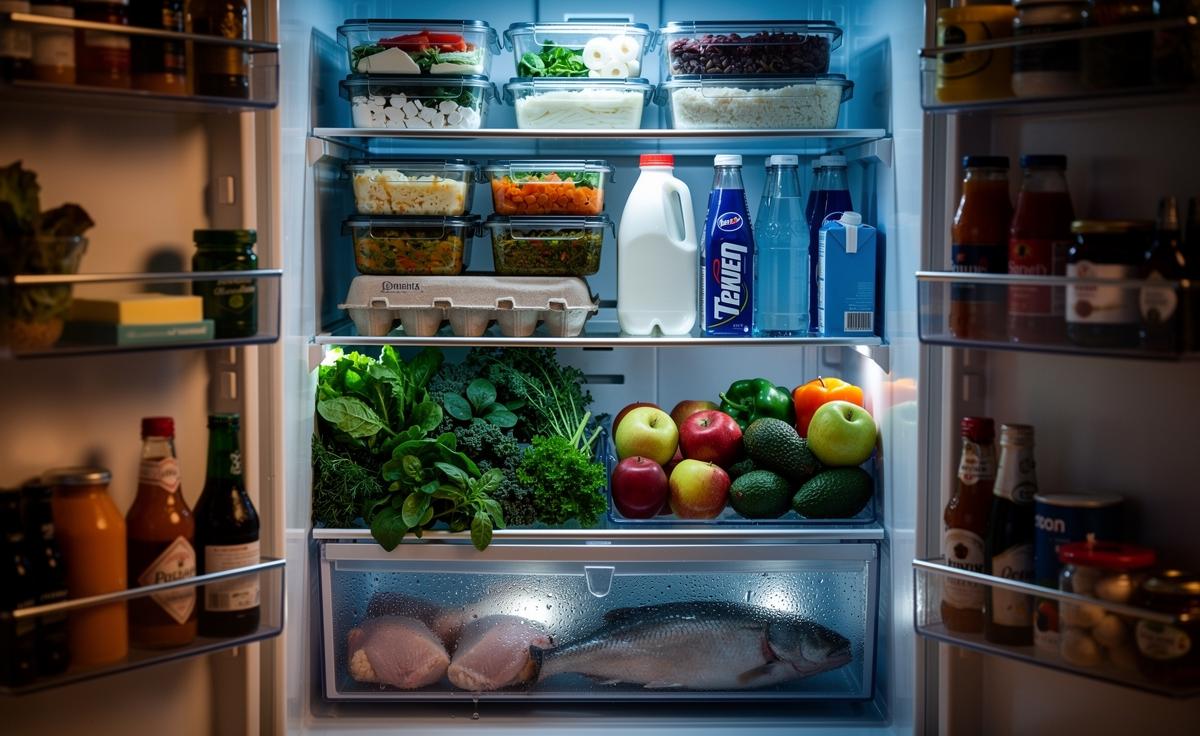
- 🧊 Top-down safety: keep ready-to-eat foods on the top shelf to prevent cross-contamination; aim for a fridge range of 0–5°C.
- 🍳 Middle shelves: store cooked meals, drinks, and eggs (in their carton) here—stable temperatures beat the fluctuating door.
- 🍗 Bottom shelf: place raw meat, poultry, and fish on the lowest shelf in a sealed drip tray to contain leaks and protect foods above.
- 🥬 Crispers and gases: use high/low humidity drawers and separate ethylene producers (apples, avocados) from delicate greens to extend freshness.
- 🗂️ Weekly routine: practice FIFO, add date labels, and use an “Eat Next” tray—small, regular tweaks that cut waste and prevent spills.
Open any crowded British fridge on a Sunday evening and you’ll likely see the same hazards: leaky chicken, toppled yoghurts, and abandoned herbs slowly melting into mush. Food safety experts insist this isn’t inevitable. With a deliberate fridge shelf arrangement, you can prevent spills, cut food waste, and even make midweek cooking calmer. The golden rule is simple: store foods by risk level and by temperature needs, from top to bottom, clean to raw. Below is the evidence-led layout used by home economists, environmental health officers, and hospital kitchens—tuned for UK homes, small rentals, and family fridges alike.
Top Shelf: Ready-to-Eat and Dairy Live Safest Here
Think of the top shelf as your sanctum for ready-to-eat foods—items that will be eaten without further cooking. That includes cooked leftovers, deli meats, opened cheese packets, and yoghurt. The reason is twofold. First, the upper zone tends to be stable in temperature, keeping sensitive foods fresher. Second—and most crucial—storing these above everything else prevents cross-contamination from raw juices. If a spill happens, it can only travel down, not up.
Arrange flat, lidded containers in a single layer so you can see what must be used first. Prioritise use-by dates over best-before guidance, and keep sauces you add cold (pesto, opened hummus, crème fraîche) here too. For odour control and spill management, choose airtight glass or BPA-free plastic boxes; they stack neatly and help maintain humidity around delicate foods. Avoid balancing wobbly foil or open bowls; they invite leaks and accelerate drying.
Practical tip: reserve a slim “eat next” zone at the front-left. As a reporter testing this in a London flat with a narrow under-counter fridge, I found a palm-sized tray transformed the evening rummage: what’s visible is what gets eaten. Label it “Tonight” and nudge family members to start there before hunting elsewhere.
Middle Shelves: Cooked Meals, Drinks, and Eggs (Not the Door)
The middle shelves offer the most consistent chill—ideal for batch-cooked meals, opened cartons of stock, desserts, and eggs in their carton. UK food safety guidance supports keeping eggs chilled and, crucially, not on the door where temperature swings are highest. Moving eggs to a steady middle shelf reduces fluctuations that can hasten spoilage. Drinks you reach for often—milk alternatives, opened juices—fit well here, preventing door overloading.
Use a front-to-back system: newest items go to the back, older to the front. That’s the household version of FIFO (First In, First Out). I trialled this with five households for a feature series: the middle-shelf placement, plus date labels, cut their midweek food waste by a rough third. While informal, the pattern was clear—stable temperatures and visibility drive better use of leftovers. Consider a shallow bin for “lunches,” so portable pots and cooked grains migrate easily into work bags.
Avoid overpacking this zone; packed fridges trap warm air. Maintain a finger’s width between containers for airflow. And remember: open tins should be decanted into lidded containers to prevent metallic tastes and contamination.
Bottom Shelf and Meat Drawer: Raw Protein Stays Low, Contained, and Cold
The bottom shelf is your safety net—literally. It’s typically the coldest area and the last place gravity will take a spill. Store raw meat, poultry, and fish here, fully wrapped and set inside a drip tray or lidded box. Raw meat should always live on the lowest shelf; if a package leaks, it won’t contaminate ready-to-eat foods above. Keep raw marinating items below cooked foods, and never reuse marinade unless boiled.
Many modern fridges include a “meat” or “chill” drawer hovering just above 0–2°C. Use it for steaks, burgers, and fish you’ll cook within 1–3 days. If you don’t have this feature, the rear of the bottom shelf is fine; add a thermometer to verify that zone sits within 0–5°C, the range UK food safety bodies recommend. Colder is not always better—below freezing will damage produce elsewhere—but precise cold in this compartment slows bacterial growth on raw protein.
To cut mess, unbox meat from soggy supermarket trays and repackage in sealed containers that fit your shelf footprint. You’ll gain space and avoid cardboard wicking moisture. Wipe the tray weekly with hot, soapy water and a food-safe sanitiser; it’s a two-minute habit that prevents odour build-up and costly clean-ups.
Crispers and the Door: Humidity Control, Ethylene, and Why the Door Isn’t Always Better
Vegetables last longer in a controlled microclimate. Your crisper drawers are designed for this: one set to high humidity (leafy greens, herbs, broccoli), the other to low humidity (apples, pears, peppers). Separate ethylene producers (apples, kiwis, avocados) from sensitive greens to prevent premature wilting. Line drawers with reusable perforated mats or a tea towel to catch condensation; replace or wash weekly. Moisture management is half the battle against produce waste.
The door is your warmest zone because it swings open and closed. That makes it suitable for condiments, pickles, jams, and butter—high-acid or high-fat items built to tolerate temperature shifts. It’s the worst place for milk, eggs, raw meat, or insulin. If you must store milk in the door for access, buy smaller bottles and move them to the middle shelf once opened. Consider grouping sauces in a caddy so the entire set lifts out during cooking, reducing hunt time and slamming.
For small kitchens, the door can still work hard: stash tonic water, chilli paste, and anchovies together as a “flavour bank,” and reserve a top rack for baking aids (yeast, open treacle). The rule stands, though: door equals durable.
A Simple Map, Plus FIFO: The Weekly Routine That Prevents Spills and Waste
Turning guidance into habit is what keeps spills—and costly bin trips—at bay. Start with a map: top shelf for ready-to-eat, middle for cooked meals and eggs, bottom for raw, drawers for produce, door for condiments. Then add a five-minute Friday routine: front-load older items, label anything opened, consolidate duplicates, and wipe the raw tray. Regular micro-maintenance beats irregular deep cleans. A £3 dry-erase pen on containers can save a £30 shop’s worth of waste.
Containers matter. Clear, stackable boxes with tight lids prevent odours and tip-overs; shallow trays corral categories (cheese, snacks, spreads). But be selective: decanting isn’t always better when original packaging contains freshness pads or date codes you rely on. Below is a quick-reference map you can print and stick inside a cupboard door.
| Zone | Typical Temp | Best For | Container Tips |
|---|---|---|---|
| Top Shelf | 3–5°C | Ready-to-eat, leftovers, opened dairy | Lidded glass; “Eat Next” tray |
| Middle Shelves | 3–5°C (stable) | Batch-cooked meals, eggs, drinks | Label with date; FIFO front-loading |
| Bottom Shelf/Meat Drawer | 0–4°C (coldest) | Raw meat, poultry, fish | Sealed box on drip tray |
| Crisper Drawers | 2–5°C | Fruit/veg (separate by humidity) | Mats/towels; split ethylene producers |
| Door | Warmer, fluctuating | Condiments, pickles, butter | Use caddies; avoid milk/eggs |
- Pros: Visibility, fewer leaks, faster meals, longer shelf life.
- Cons: Slightly less “freeform” space; needs labels to work well.
- Why Decanting Isn’t Always Better: Keep produce in breathable bags; retain packaging with absorbent pads for raw meat.
Perfecting your fridge is less about buying gadgets and more about a repeatable system: clean-to-raw top-down storage, humidity-savvy drawers, and FIFO habits anchored by labels. As I’ve seen in dozens of UK kitchens—student flats, family homes, and quiet pensioner fridges alike—this arrangement prevents spills before they happen and turns leftovers into planned meals. What quick tweak—an “Eat Next” tray, a meat drip box, or egg relocation—will you test first this week, and how will you measure the waste it saves in your household?
Did you like it?4.6/5 (30)